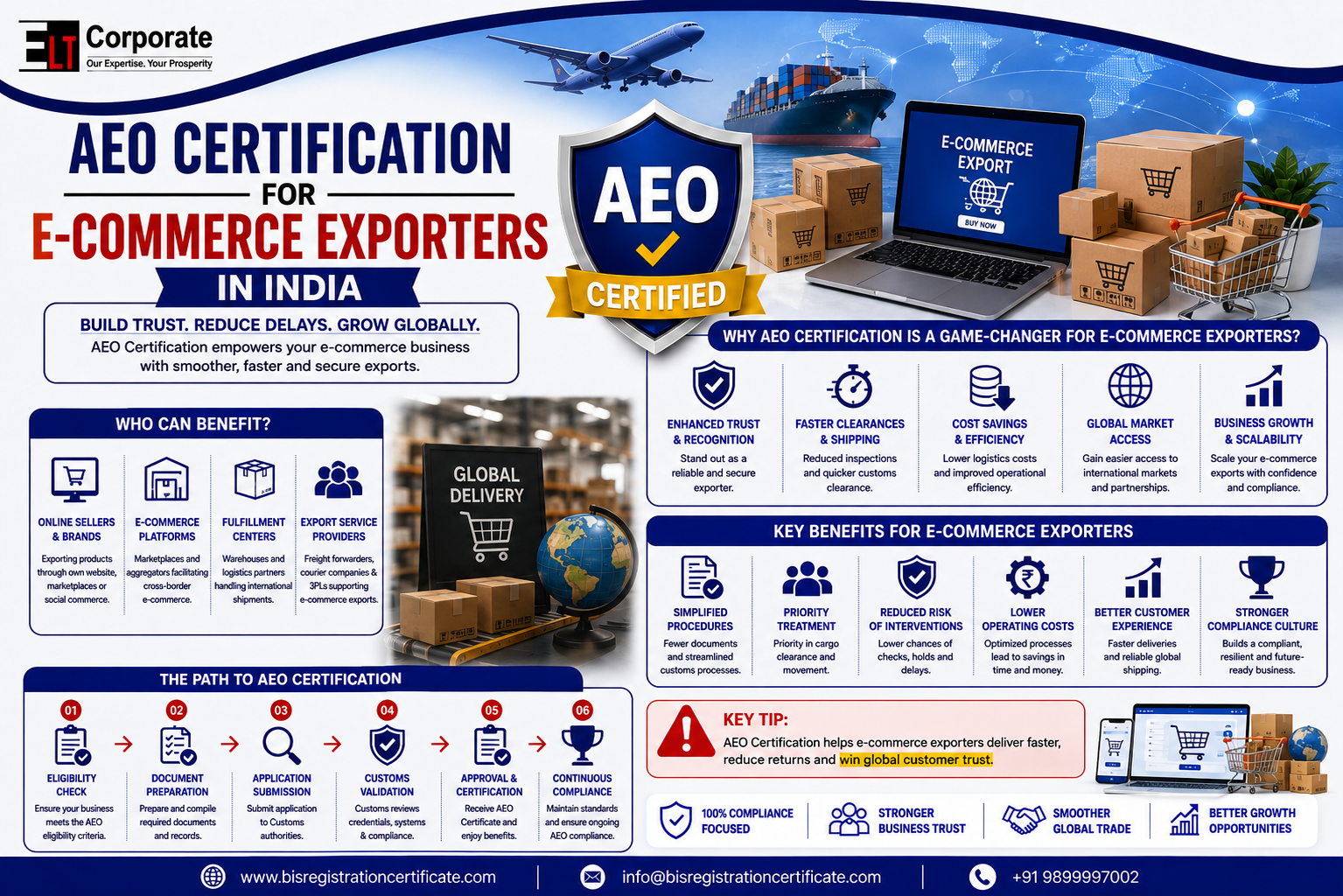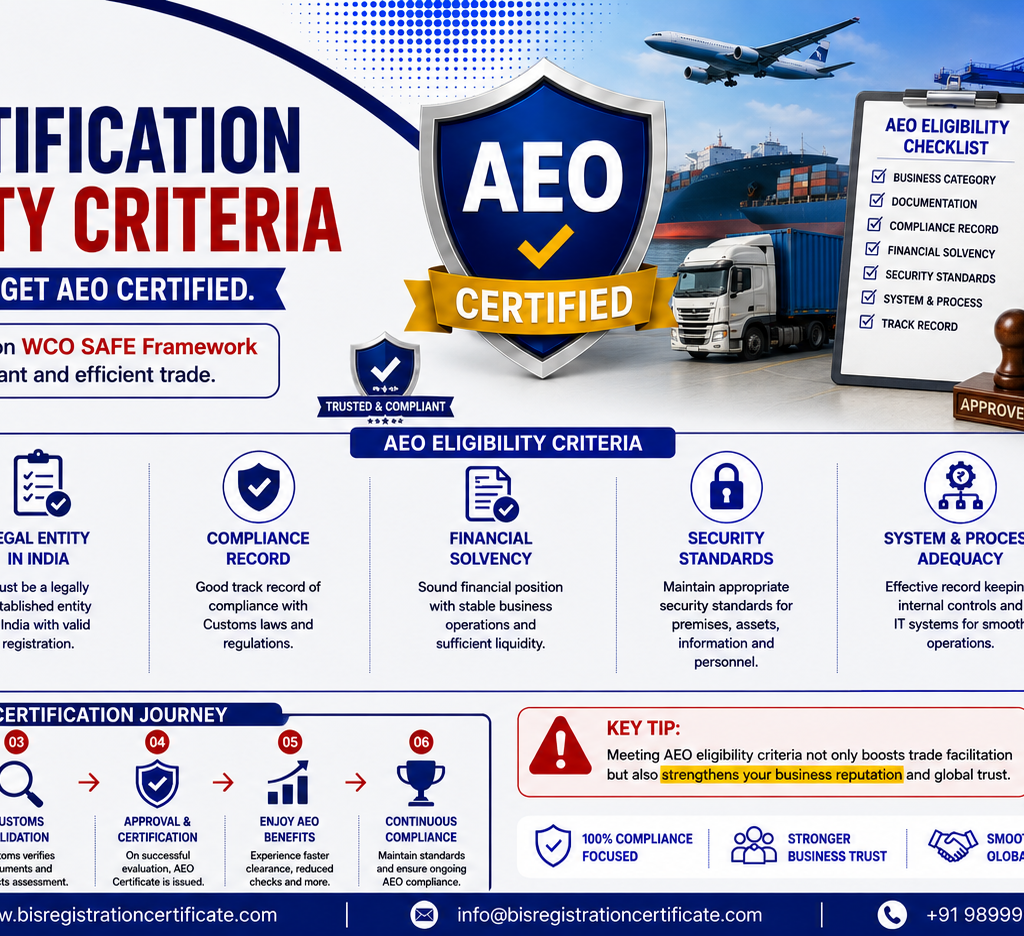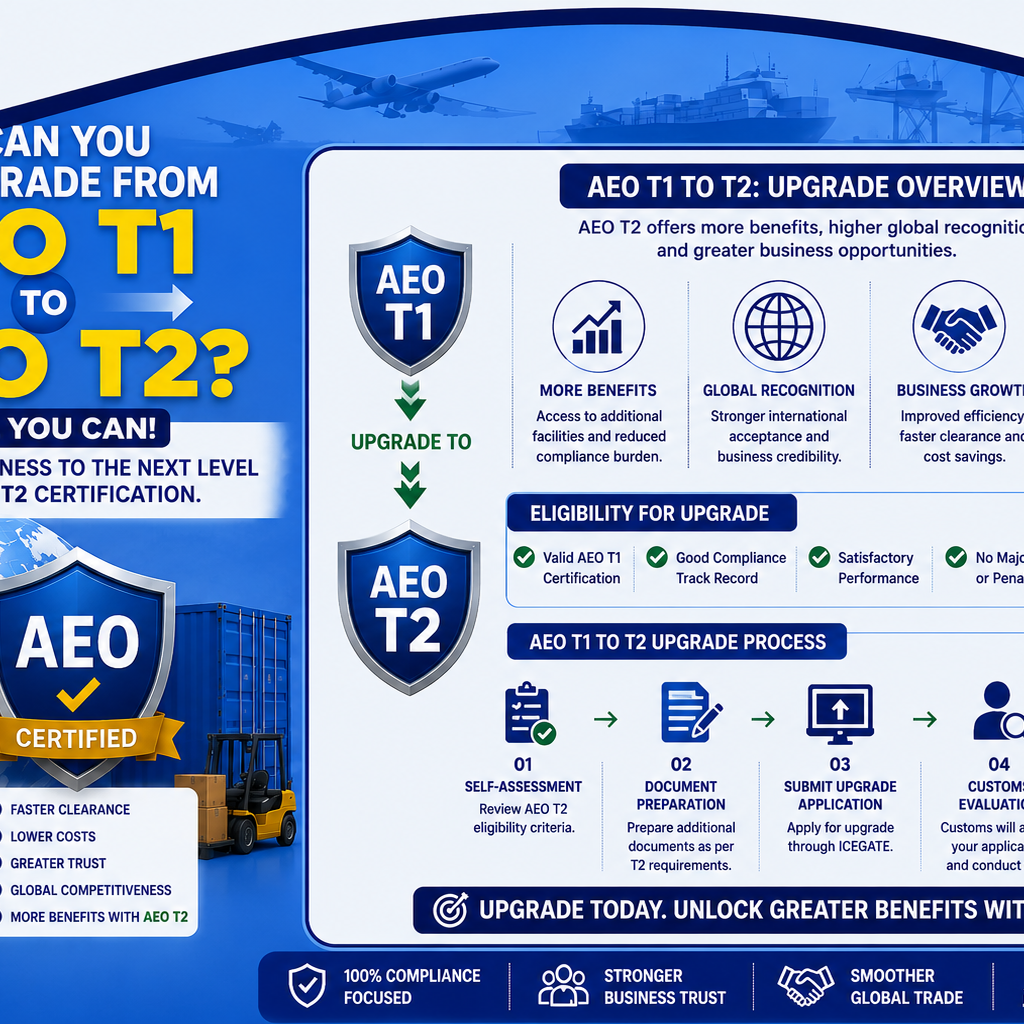
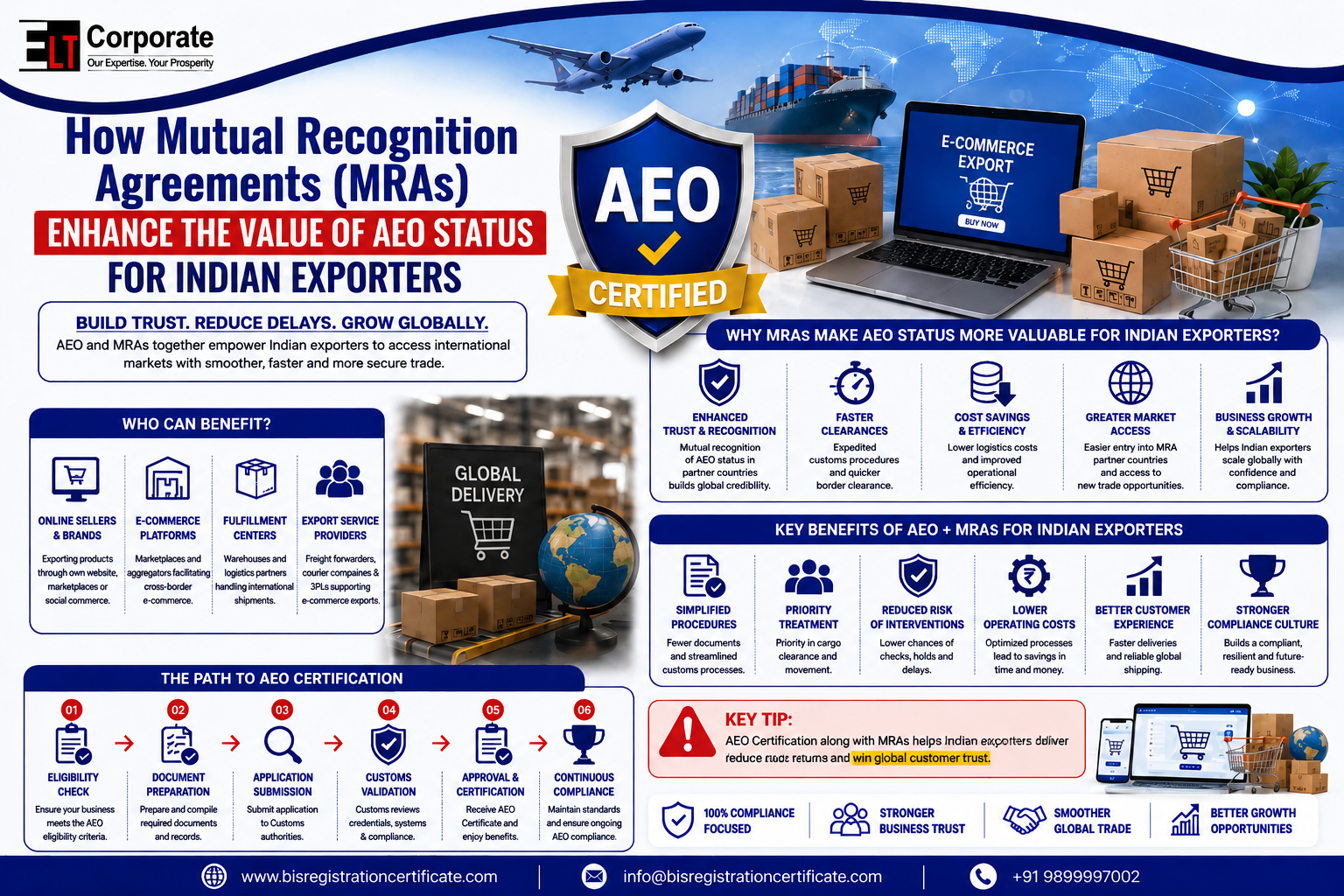
Compliance with customs and security of the supply chain, together with speed of clearance, have become the major determinants for the development of business in the international arena. The recognition of Indian exporters as trusted trade partners by the Indian customs is made possible thanks to the accomplishment of the Authorised Economic Operator (AEO) Certification process.
At the same time, the importance of AEO certification is not limited to internal advantages only. With mutual AEO recognition between countries, Indian exporters can enjoy a set of benefits when dealing with trading nations included in the mutual recognition system.
The essence of AEO mutual recognition agreements is that one country’s customs authorities accept another country’s trusted trader programs. It means that if the exporter receives AEO certification in India, he is able to use the benefits of simplified trading processes in trading partner countries without passing through the whole certification process.
From the standpoint of international trading, the implementation of AEO mutual recognition agreements enables companies to enhance the efficiency of the supply chain processes, reduce delays in customs processing, provide customers with the necessary information, and create better opportunities for expansion in the international market.
What are AEO Mutual Recognition Agreements?
AEO Mutual Recognition Agreements (MRAs) between AEOs are agreements between two customs administrations in which the customs authority accepts the certification program in another country.
Under AEO Mutual Recognition Agreements, customs authorities agree that their respective AEO certification programs have similarities regarding:
- Customs compliance
- Security of the supply chain
- Transparency of business
- Risk management practices
The goal of the AEO Mutual Recognition Agreement is to prevent unnecessary duplication of the verification process. If one customs authority has assessed and approved a given trader as a trustworthy trader, the other customs authority can rely on this fact during the facilitation of its obligations in trading.
This is consistent with the WCO SAFE Framework that advocates for the facilitation of secure and efficient trading worldwide.
India’s AEO Mutual Recognition Agreements with Other Nations
India’s AEO program, managed by the Central Board of Indirect Taxes and Customs, has entered into Mutual Recognition Agreements with many international customs bodies.
These agreements allow Indian exporters to enjoy benefits when trading in partner countries.
1. India–United States AEO Mutual Recognition Agreement
The India-US AEO Mutual Recognition Agreement recognizes India’s AEO program and the US Customs-Trade Partnership Against Terrorism.
This allows Indian exporters exporting to the US market to enjoy mutual trust with US Customs authorities.
Benefits may include:
- Better customs risk assessment
- Improved shipment facilitation
- Recognition as a secure supply chain partner
2. India–South Korea AEO Mutual Recognition Agreement
The Indian-South Korean AEO Mutual Recognition Agreement is aimed at making both countries aware of the respective trusted trader schemes.
India-based exporters who are engaged in trade with South Korea will benefit from better customs facilitation owing to the recognition of the compliance status by customs officials.
3. India-Hong Kong AEO Agreement
The India-Hong Kong AEO Mutual Recognition Agreement connects the AEO system in India to the trusted trader system in Hong Kong.
This will help make customs operations for the companies operating in India-Hong Kong more efficient.
4. India-Taiwan AEO Agreement of Mutual Recognition
The India-Taiwan AEO Agreement of Mutual Recognition allows both customs administrations’ recognition.
The exporters possessing appropriate AEO certification can enjoy favourable customs arrangements when exporting goods from one region to the next.
How AEO Mutual Recognition Agreements Enhance the Benefits of AEO Certification
1. Worldwide Acceptance of Indian AEO Certification
In most cases, an Indian AEO Certificate provides benefits only in the context of Indian customs.
On the contrary, the implementation of AEO Mutual Recognition Agreements helps to increase the significance of this certificate beyond the borders of India by facilitating recognition of Indian exporters as reliable companies by the partner countries.
This allows making the AEO certificate of India not only a domestic compliance certificate but also an internationally important trade document.
2. Decrease in Customs Times and Inspection Probabilities
The main feature of AEO Mutual Recognition Agreements is better customs facilitation.
Exporters who are AEO-recognized might enjoy the following benefits:
- Quicker customs clearance process
- Lower chance of inspection
- Less risk of delivery delay
- Higher predictability in the supply chain
However, being an AEO does not necessarily mean that there will be no customs inspections. Customs authorities can conduct checks based on their risk analysis, intelligence reports, or regulations.
3. Speedier Customs Clearance and Heightened Supply Chain Processes
International importers need dependable delivery schedules. Customs delays may impact:
- Product planning
- Stock management
- Customer assurances
- Company image
Using AEO Mutual Recognition Agreements, exporters can become more reliable and reduce superfluous delays connected with customs.
This contributes to sturdier bonds among:
- Exporters
- Foreign importers
- Freight forwarders
- Customs brokers
Importance of AEO Mutual Recognition Agreements for Different Industries
Significance of AEO Mutual Recognition Agreements Across Different Sectors
Pharmaceutical and Healthcare Sector
Pharmaceutical products need timely delivery because of their highly sensitive nature.
AEO Mutual Recognition Agreements promote reliability in shipments, which means pharmaceutical exporters can deliver products on time and thereby earn the trust of international healthcare buyers.
Electronics and Technology Sector
Electronic products tend to have shorter life cycles.
The increased speed of customs procedures because of the AEO Mutual Recognition Agreements ensures timely export deliveries and greater competitiveness of exporters.
Automotive Parts
Timely delivery is vital in automotive supply chains.
Manufacturers and suppliers can ensure an efficient logistics process with AEO recognition.
Textile and Apparel Industry
With fluctuations in demand, timely delivery becomes crucial.
AEO mutual recognition agreements make international textile deliveries easier.
Jewellery and Precious Items
When it comes to shipments of valuable goods, security and reliability are paramount.
AEO recognition provides additional confidence to foreign clients and logistics partners.
Using AEO Mutual Recognition Agreements Effectively by Indian Exporters
1. Include AEO Status in Export Documentation
It is essential for exporters to ensure that their AEO certification is adequately represented in the following:
- In invoices
- In shipping documents
- In customs communication
- In logistics documents
2. Update Overseas Customers and Customs Brokers on AEO Status
It is essential for exporters to share their AEO status with foreign customers and customs brokers.
This ensures that the overseas partners become aware of the benefits available to them through the AEO Mutual Recognition Agreement.
3. Keep Valid AEO Certification
The success of AEO Mutual Recognition Agreements depends on retaining a valid AEO certification.
Firms should keep abreast of:
- Compliance requirements
- Security measures
- Record maintenance
- Internal auditing
Common Myths About AEO Mutual Recognition Agreements
Myth 1: AEO Certification Has Global Recognition
AEO recognition via MRAs only applies to countries with which India has signed a Mutual Recognition Agreement.
This does not confer a status of trusted trader on a global level.
Myth 2: MRA Advantage Implies Zero Customs Check
AEO Mutual Recognition Agreements do enhance risk-based facilitation; however, they do not eliminate customs examination.
Misconception 3: No Action is Required After Obtaining AEO Certification
Although governments exchange information under MRAs, exporters should actively communicate their AEO status to overseas buyers and customs brokers.
The Role of AEO MRAs in the Context of Indian Exporters
Understanding AEO MRA
A large number of customs authorities govern international trade. The customs authorities of each country have AEO Mutual Recognition Agreements and compliance procedures. Before goods are shipped to the country, customs authorities take all relevant factors into consideration, such as
- Correctness of shipping documents
- History of compliance by exporters
- Security of the supply chain
- Risk in shipment
- Reputation of the business
Earlier, exporters had to prove their trustworthiness in each market, which resulted in additional compliance requirements, more effort, and sometimes delays in shipments.
To resolve this problem, customs authorities introduced the idea of Mutual Recognition Agreements around the world.
This means that an exporter that has obtained trusted trader recognition under the AEO program in India can achieve similar recognition in other countries too.
The purpose of AEO Mutual Recognition Agreements is to establish a worldwide network of trusted enterprises where customs authorities can prioritize their efforts toward potentially risky shipments while ensuring the flow of lawful trade.
The Working of AEO Mutual Recognition Agreements
The execution of AEO Mutual Recognition Agreements entails collaboration between two customs departments.
The procedure usually works in the following way:
Step 1: AEO Certification in India
A company makes a request for AEO certification through India’s Authorised Economic Operator program.
During the evaluation period, customs agencies inspect:
- Compliance history of the company
- Import-export record
- Financial dependability
- Customs forwarding documents
- Safety policies
- Internal oversight systems of the company
If the company meets all the necessary conditions, it is granted AEO certification.
Step 2: Information Sharing by Customs Authorities
After the MRA is signed, customs authorities set up a system for information exchange regarding certified businesses.
This allows the partner countries to identify exporters certified as secure.
Step 3: Acknowledgement in the Host Country
When an Indian AEO Mutual Recognition Agreement product is sold to a partner MRA nation, the customs department of that nation is allowed to recognize the trusted nature of that exporter.
With this recognition, the exporter may experience the following advantages:
- Lower customs risk rating
- Faster processing
- Less frequent inspections
- Priority handling
Importance of AEOs’ Mutual Recognition Agreements across Various Export Industries
Pharmaceuticals Export
The pharmaceutical industry necessitates strict supply chain control, as medicines and healthcare products are sensitive.
Advantages of AEOs’ Mutual Recognition Agreements:
- Improved shipment reliability
- Decreased customs uncertainty
- Increased confidence in the minds of healthcare consumers
Trusted trade recognition can facilitate the logistics process of pharmaceutical exporters selling in controlled markets.
Exporters of Medical Equipment
Medical equipment has international clients, hospitals, and suppliers who buy different medical devices.
Being AEO-approved has proven that the exporter follows the proper compliance measures with secured supply chain practices.
For Indian manufacturers of medical devices, AEO mutual recognition agreements help them with their position in the international healthcare business.
Exporting Electronics
Electronic devices are often sold in a competitive market with a need for fast delivery.
Moving faster through customs allows exporters to:
– Fulfil customer deadlines
– Decrease inventory holding expenditure
– React to the market faster
Automotive Component Exporters
Car manufacturers work according to scheduling deadlines.
Late delivery of parts leads to disruptions in the entire manufacturing process.
Through the AEO Mutual Recognition Agreements, automotive suppliers are able to ensure the reliability of supply chains.
The Strategic Merits of AEO Mutual Recognition Agreements for Firms
1. Enhanced Opportunities for International Trade.
Typically, international corporations prefer utilizing services provided by vendors who possess certified systems of compliance.
Thus, AEO certification serves as an important requirement in the following instances:
Tendering for international contracts, selection of vendors, and signing long-term agreements.
2. Simplified Regulatory Procedures.
In the absence of MRAs, international companies will have to familiarize themselves with their various trusted trader programs.
The use of AEO Mutual Recognition Agreements cuts down on the administrative burden on firms.
3. Business Growth Over The Long Run
Obtaining AEO certification is key for compliance, but it is also a strategic move.
The culmination of India’s readiness to improve international business relations is particularly important in terms of AEO Mutual Recognition Agreements.
Documents Needed for AEO Mutual Recognition Agreements (AEO Certification)
In order to get AEO Certification and take advantage of AEO Mutual Recognition Agreements, exporters must have the necessary systems in place for compliance, security, and record-keeping. Some of the documents generally required include:
- Certificate of Incorporation / Partnership Deed / LLP Agreement
- PAN Card of the company
- GST Registration Certificate
- Import Export Code (IEC)
- Company profile and organisational chart
- Information on directors/partners/promoters
These documents are essential to ensure that exporters obtain and maintain their AEO status.
A Practical Example of AEO Mutual Recognition Agreement Advantages
Example:
An electronic manufacturer from India provides items to the USA.
In the absence of AEO certification:
- Shipments are subjected to normal customs risk assessment.
- Extra checking may cause delays.
- The purchaser has doubts about the safety of the supply chain.
Using AEO certification and the India-USA AEO Mutual Recognition Agreement:
- The global supplier is acknowledged as a reputed organization.
- The customs keeps on the higher level of assurance in its compliance processes.
- The process of exporting becomes much more manageable.
Thus, the delivery assurance and cooperation with the overseas purchasers will be improved.
Conclusion
The importance of AEO Mutual Recognition Agreements is increasing as global trade becomes more focused on secure supply chains and faster customs procedures.
For Indian exporters, AEO certification is no longer limited to domestic customs benefits. Through MRAs with international trading partners, exporters can strengthen their global credibility, improve shipment efficiency, and build stronger relationships with overseas buyers.
Businesses exporting to countries such as the USA, South Korea, Hong Kong, and Taiwan can particularly benefit from the international recognition provided through AEO Mutual Recognition Agreements.
As India continues expanding its global trade partnerships, the role of AEO and MRAs is expected to become increasingly important for exporters seeking sustainable international growth.
Frequently Asked Questions
Q1. What is the AEO Mutual Recognition Agreement?
It is a pact that allows nations to acknowledge each other’s trusted trader schemes.
Q2. How does the AEO Mutual Recognition Agreement benefit exporters?
Through it, exporters get faster clearance, smoother processing, and greater worldwide credibility.
Q3. Which countries have an AEO Mutual Recognition Agreement with India?
USA, South Korea, Hong Kong, and Taiwan.
Q4. Is any separate registration needed to enjoy benefits of the AEO Mutual Recognition Agreement?
Not required, as the recognition is achieved through sharing information with customs.
Q5. Does the AEO Mutual Recognition Agreement eliminate the need for inspections?
Not really; shipments can be inspected depending on risk assessment.
Q6. Is AEO useful for everyone interested in exporting?
Yes, it is helpful for domestic customs as well as for exporters globally.