India has emerged as one of the fastest-growing trade destinations for South Korean companies, particularly in sectors like electronics, automotive, medical devices, and advanced manufacturing. As Korean businesses expand into India, the focus is no longer just market entry—but efficient, predictable, and compliant trade operations.
However, one challenge consistently impacts growth:
Customs delays, inspections, and regulatory complexity
This is where AEO Certification becomes a strategic advantage—not just a compliance requirement
What is AEO Certification in India?
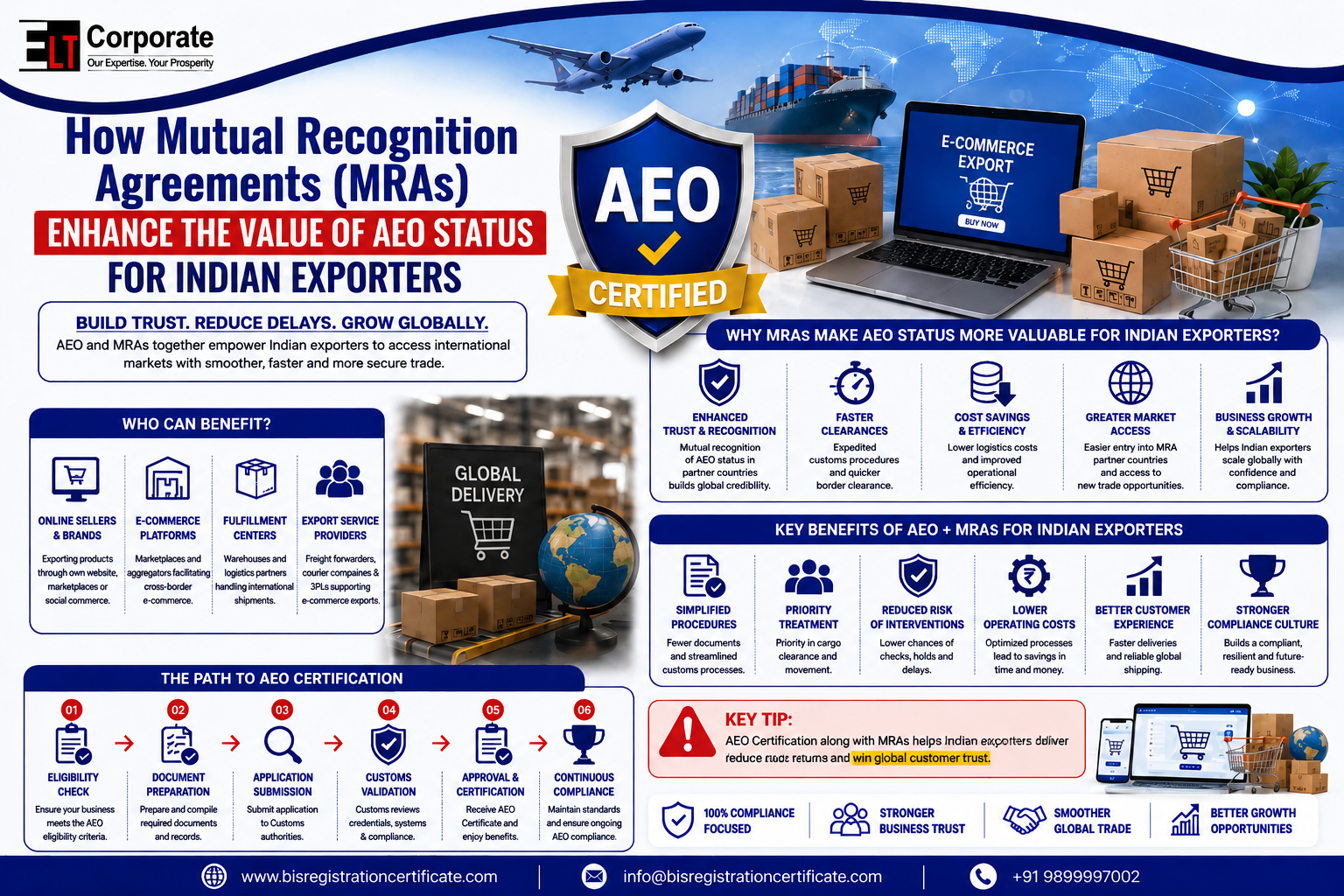
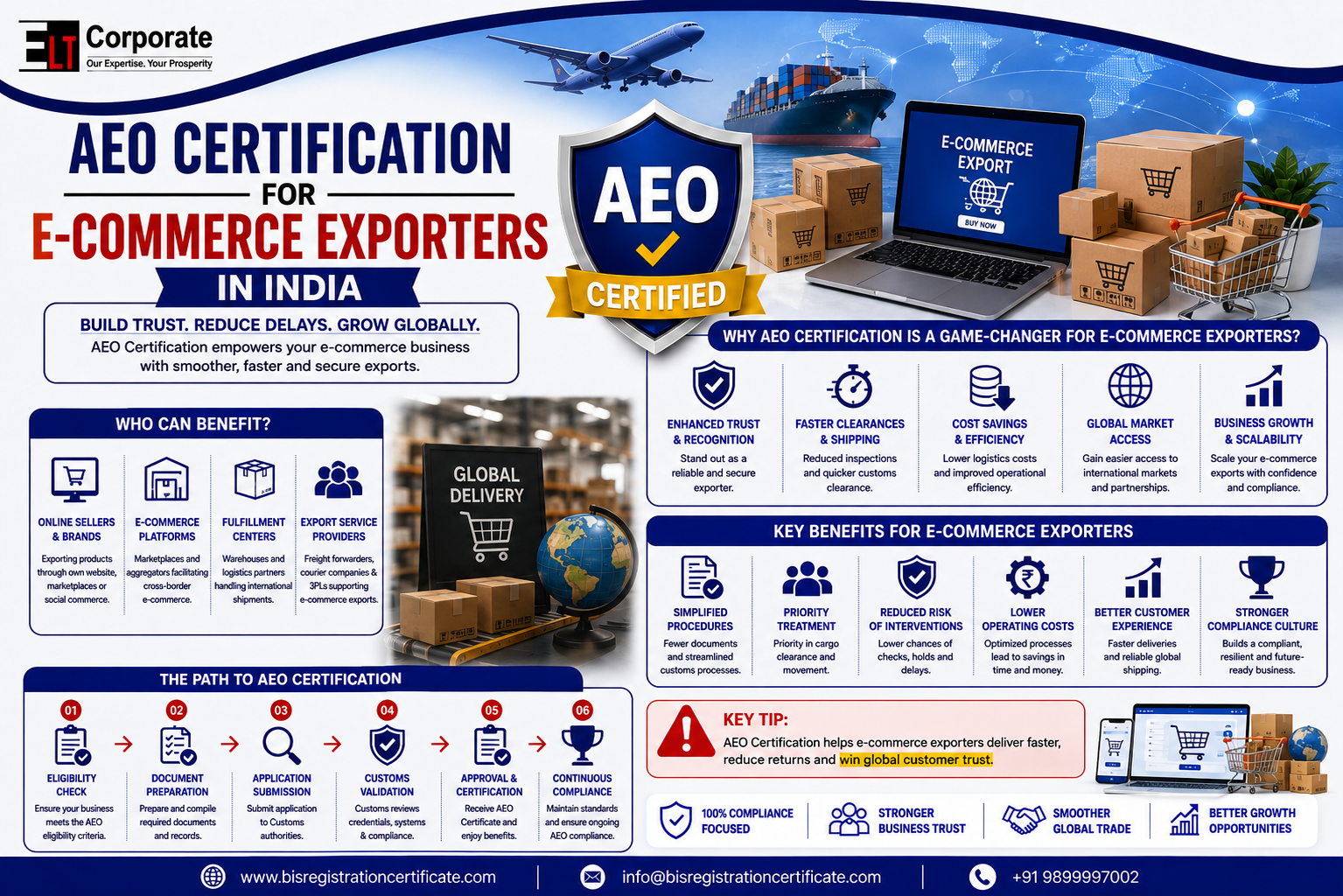
AEO (Authorized Economic Operator) is a globally recognised certification program implemented in India by CBIC (Central Board of Indirect Taxes and Customs), aligned with World Customs Organization (WCO) standards.
It identifies businesses as secure, compliant, and low-risk trade partners, offering them preferential treatment in customs procedures.
With AEO certification, companies benefit from:
- Faster cargo clearance
- Reduced physical inspections
- Priority handling at ports
- Streamlined customs procedures
In practical terms, it transforms your import-export process into a faster, more reliable system.
Why AEO Certification is Critical for Korean Companies in India
Korean companies are known for precision-driven supply chains and operational efficiency. When entering India, they often encounter:
- Port congestion and unpredictable clearance timelines
- Documentation inconsistencies due to regulatory differences
- High demurrage and detention costs
- Lack of visibility in customs processing
AEO certification directly addresses these issues.
With AEO status:
- Clearance timelines become significantly faster and more predictable
- Inspection frequency reduces substantially
- Supply chain disruptions are minimized
- Compliance confidence increases
This enables Korean companies to operate in India with the same efficiency standards they maintain globally.
The Strategic Role of Delhi & Mumbai in AEO Implementation
India’s trade ecosystem is geographically structured, and two regions play a crucial role in how AEO benefits are realized—Delhi NCR and Mumbai.
Delhi NCR – Compliance & Inland Trade Control Hub
Delhi NCR is not just an industrial cluster—it is a regulatory and compliance center.
Companies operating here interact with:
- Inland Container Depots (ICDs) such as Tughlakabad
- Customs documentation and compliance authorities
- Import-export processing ecosystems
For Korean companies with manufacturing or distribution bases in North India, AEO certification ensures:
- Structured documentation flow
- Faster inland cargo movement
- Reduced compliance friction
It brings predictability and control to inland trade operations.
Mumbai – India’s Primary International Trade Gateway
Mumbai serves as the backbone of India’s import-export movement, particularly through:
- Jawaharlal Nehru Port (JNPT / Nhava Sheva)
- Integrated logistics and warehousing networks
For Korean companies using western ports, AEO certification enables:
- Faster port clearance
- Reduced cargo dwell time
- Lower logistics and storage costs
In essence:
Delhi strengthens compliance efficiency,
Mumbai enhances logistics efficiency,
and AEO connects both into a seamless system.
Types of AEO Certification in India
Selecting the right AEO level is a strategic decision:
- AEO-T1 Certification – Entry-level, documentation-based
- AEO-T2 Certification – Enhanced compliance with verification
- AEO-T3 Certification – Highest level with maximum benefits
- AEO-LO Certification – For logistics operators
The right selection ensures faster approval and optimal benefits.
Key Business Benefits of AEO Certification
AEO certification delivers measurable operational advantages:
✔ Significantly faster customs clearance
✔ Reduced inspection and intervention
✔ Lower demurrage and detention charges
✔ Improved working capital due to faster movement
✔ Enhanced global credibility and trust
Over time, AEO becomes a competitive differentiator in international trade.
AEO Certification Process in India
While structured, the process requires precision:
- Compliance and eligibility assessment
- Preparation of SOPs and internal documentation
- Application filing through the AEO portal
- Customs verification or audit (for higher tiers)
- Final approval and certification
Most delays occur not in the process, but in documentation and compliance readiness.
Common Challenges Faced by Applicants
Many companies face delays or rejection due to:
- Incomplete or inconsistent documentation
- Lack of internal compliance systems
- Incorrect certification level selection
- Poor audit preparedness
For foreign companies, especially Korean firms, these challenges are amplified due to regulatory unfamiliarity.
Why Choose ELT Corporate for AEO Certification?
ELT Corporate offers a strategic, results-driven approach to AEO certification in India.
✔ End-to-end documentation and application support
✔ Deep expertise in Indian customs and regulatory frameworks
✔ Experience with international manufacturers and importers
✔ Faster approval-focused execution
✔ Integration with CDSCO, BIS, and import licensing services
We don’t just guide you—we ensure successful certification and long-term compliance.
A Strategic Advantage for Korean Companies Entering India
AEO certification is not just about compliance—it is about building a scalable and efficient trade system in India.
With operations aligned across Delhi and Mumbai, Korean companies can:
- Minimize operational risk
- Improve supply chain reliability
- Strengthen regulatory positioning
It becomes a foundation for sustainable growth in the Indian market.
Get Expert Guidance for AEO Certification in India
Planning to expand your operations in India or optimize your import-export processes?
AEO certification is no longer optional—it’s a strategic necessity.
With ELT Corporate:
✔ Free eligibility assessment
✔ Complete documentation support
✔ Faster approval strategy