Every day, thousands of shipments cross India’s borders. Most move smoothly — but some don’t. Delayed clearances, unexpected inspections, documentation failures, and cargo held at ports are not just operational inconveniences. For businesses that depend on predictable and secure supply chains, they are serious risks.
The question is: what separates businesses that consistently clear customs quickly, face fewer inspections, and maintain credibility with global partners — from those that don’t?
The answer, increasingly, is AEO Certification.
For many businesses, the journey begins with AEO-T1 Certification, the entry-level recognition that helps importers and exporters establish compliance credibility with customs authorities. It acts as the first step toward faster clearance, reduced interventions, and a more predictable supply chain.
This blog explores how the Authorized Economic Operator (AEO) programme strengthens supply chain security for Indian businesses — and why it has moved from a “nice to have” to a critical competitive advantage in global trade.
What Is Supply Chain Security — And Why Does It Matter?
Supply chain security refers to the measures a business takes to protect the flow of goods from the point of origin to the final destination — across manufacturers, logistics providers, customs agents, ports, and buyers. It covers:
- Physical security of goods in transit
- Documentation accuracy and compliance
- Risk of cargo tampering, theft, or smuggling
- Regulatory compliance at every stage of the chain
- Counterparty risk — who else is handling your cargo?
A weak link at any point in the chain can result in customs holds, financial penalties, reputational damage, or worse — loss of trading privileges.
For Indian exporters and importers, the stakes are particularly high. India’s trade volumes have grown significantly, and customs authorities are under increasing pressure to identify high-risk shipments quickly — which means low-risk, compliant businesses need a way to signal their trustworthiness. That signal is AEO status.
What Is the AEO Programme?
AEO stands for Authorized Economic Operator. It is a programme under the World Customs Organization’s (WCO) SAFE Framework of Standards, designed to secure and facilitate global trade. In India, the programme is administered by the Central Board of Indirect Taxes and Customs (CBIC) and was formally launched through Circular No. 33/2016-Customs dated July 22, 2016.
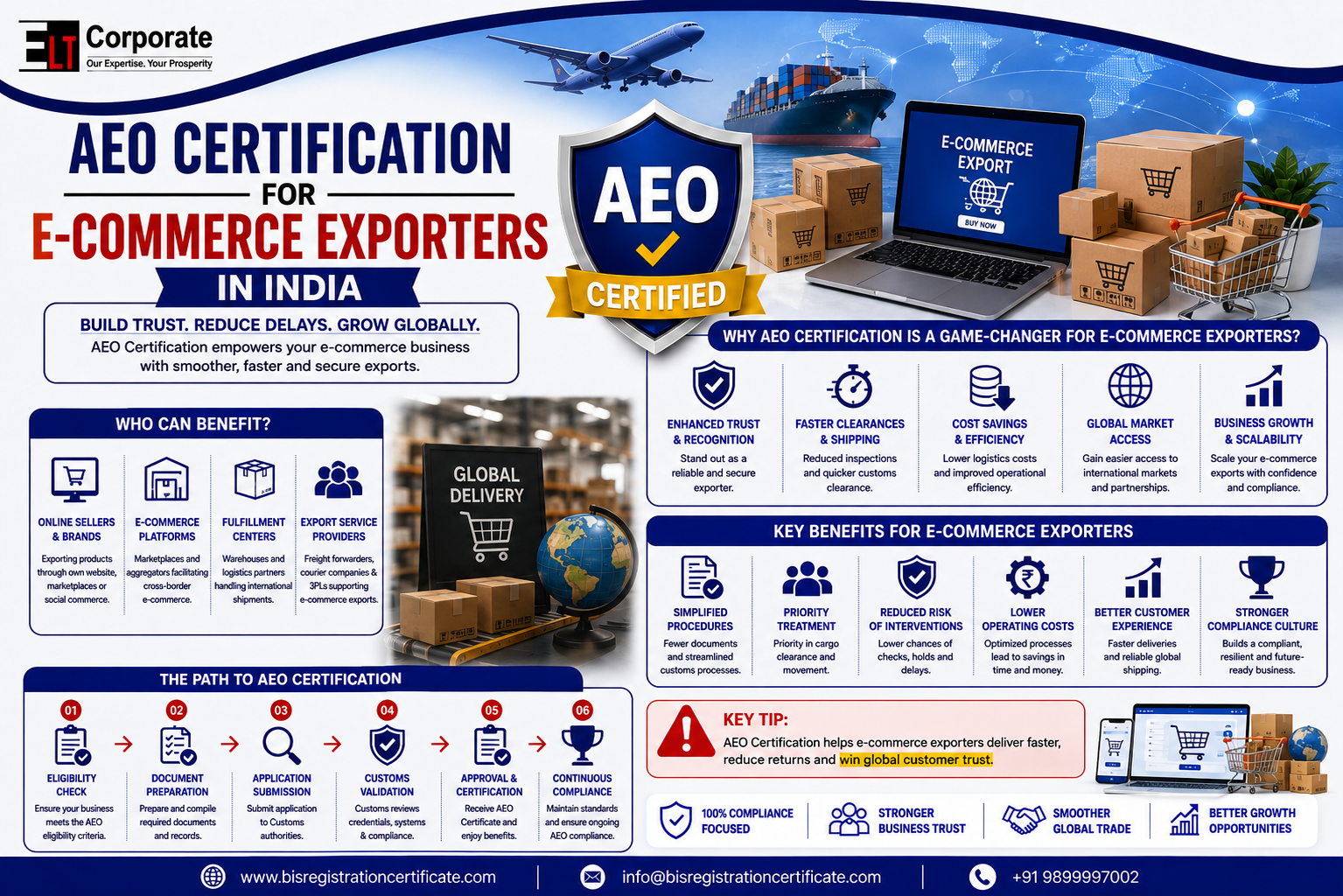
The core idea is simple: businesses that voluntarily demonstrate high standards of compliance, financial solvency, and supply chain security are recognised as “trusted traders” by customs authorities — and rewarded with significant trade facilitation benefits.
India’s AEO programme has three tiers for importers and exporters:
| Tier | Level | Key Feature |
| AEO-T1 | Entry Level | Basic compliance verification, faster clearance |
| AEO-T2 | Intermediate | Physical site inspection, deferred duty payment, MRA benefits |
| AEO-T3 | Highest | Maximum facilitation, priority at all ports, 24×7 clearance |
| AEO-LO | Logistics | For customs brokers, warehouse operators, terminal operators |
As of April 2025, the numbers tell a clear story of growing adoption:
- AEO-T1: 3,480 companies registered
- AEO-T2: 1,191 companies registered
- AEO-T3: 212 companies registered
- AEO-LO: 940 logistics operators registered
How AEO Directly Enhances Supply Chain Security
AEO is not just a compliance badge. It is a structured framework that forces businesses to examine, document, and strengthen every link in their supply chain. Here is how it works in practice:
1. Physical and Procedural Security Verification
To obtain AEO-T2 and above, customs officials conduct a mandatory physical inspection of your business premises. This is not a formality — inspectors assess:
- Access control systems
- Cargo handling and storage protocols
- Employee security measures
- Internal audit and documentation practices
This process forces businesses to identify and close security gaps they may not have even been aware of — making the supply chain genuinely more secure, not just certified on paper.
2. Documentation Accuracy and Compliance Culture
AEO certification requires businesses to maintain consistent, accurate, and auditable documentation across their entire trade operations — process documentation, compliance records, financial statements, and customs documentation
3. Risk-Based Customs Treatment
Once certified, AEO businesses are flagged as low-risk operators in CBIC’s risk management system. This means:
- Fewer random cargo inspections
- Reduced document checks at ports
- Faster release of goods without routine holds
The result is a supply chain that is both more secure and more predictable — a combination that directly benefits planning, inventory management, and customer commitments.
4. Dedicated Client Relationship Manager
AEO-certified businesses receive access to a dedicated customs officer as a single point of contact for resolving legitimate concerns and grievances. This direct channel significantly reduces the time lost to bureaucratic back-and-forth when supply chain issues arise.
5. 24×7 Customs Clearance
AEO-T3 certified businesses are eligible for round-the-clock customs clearance at all seaports and airports. In time-sensitive industries — pharmaceuticals, electronics, perishables — this is not a convenience. It is a supply chain security mechanism that prevents cargo from sitting unattended at ports during non-working hours.
AEO and Mutual Recognition Agreements (MRAs): Security Beyond Borders
One of the most powerful — and underappreciated — aspects of AEO certification is what happens outside India’s borders.
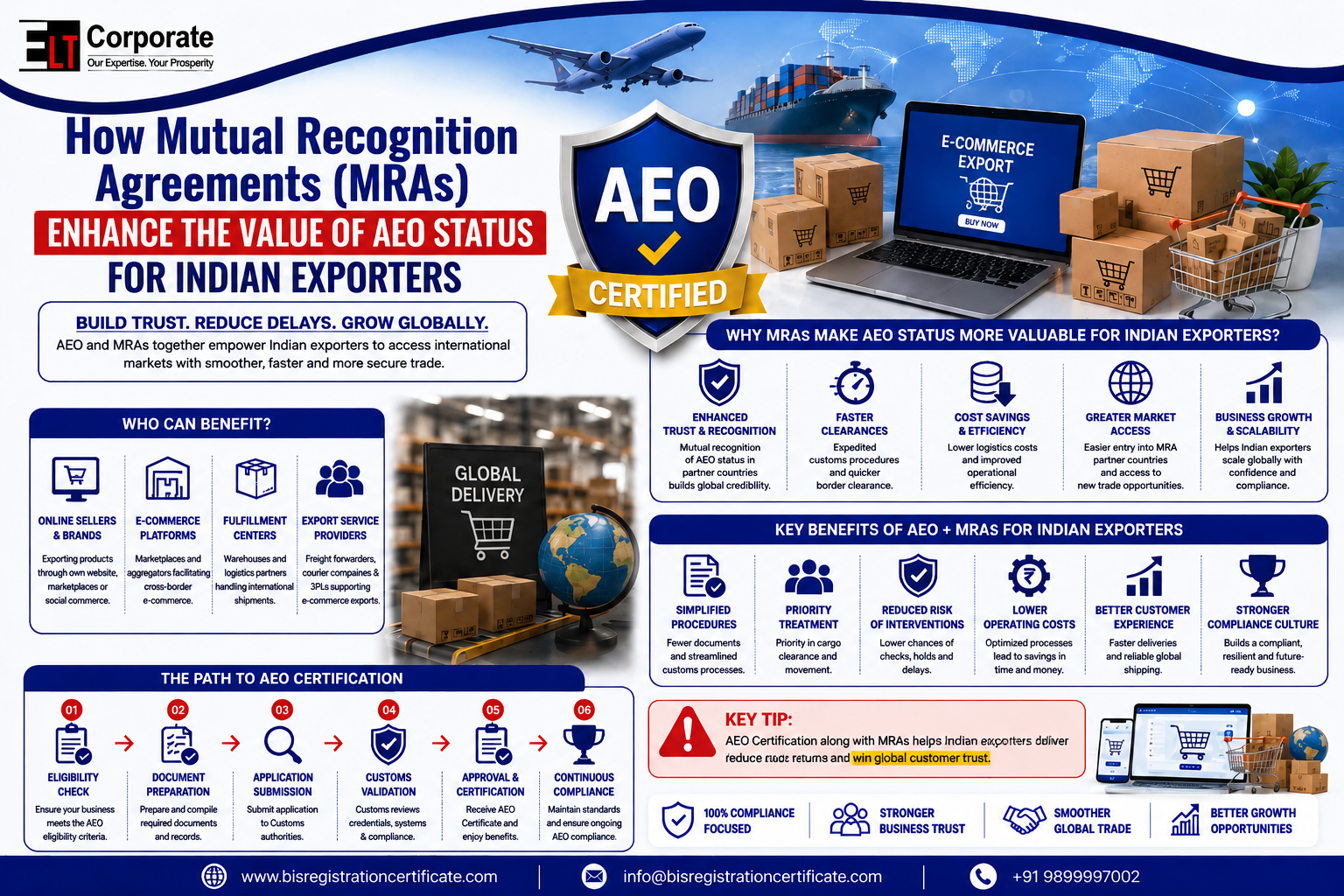
India has signed Mutual Recognition Arrangements (MRAs) with several countries, and the network is expanding rapidly. Under an MRA, the AEO status granted by India is recognized by partner countries’ customs administrations — and vice versa.
India’s current MRA status (2025):
- South Korea — MRA in force
- Hong Kong — MRA in force
- Singapore — MRA signed May 2025
- USA, UAE, Taiwan — negotiations in advanced stages
- Additional countries — under discussion
What this means practically: if your business exports to Singapore, an AEO-certified Indian company now benefits from expedited customs clearance, reduced documentation checks, and reduced cargo inspections on arrival — without needing separate validation in Singapore.
From a supply chain security perspective, MRAs create a chain of trust across borders. Both customs administrations have validated that the same stringent security standards apply — which means cargo from AEO-certified businesses moves with lower risk scores on both ends of the transaction.
“AEO exporters/importers are given a reduction in their risk score by partner Customs Administrations, which will translate into fewer examinations at the port of importation.” — AEO India Portal (aeoindia.gov.in)
Financial Security: Protecting Your Working Capital
Supply chain security is not only about physical goods. Financial disruptions — unexpected duty payments, cash tied up in bank guarantees, delayed refunds — are equally destabilizing. AEO certification addresses this directly:
- Deferred Duty Payment (AEO-T2 & T3): Pay customs duties after goods are cleared, not before. This keeps working capital available when you need it most.
- Reduced or Waived Bank Guarantees: AEO-certified businesses face significantly lower bank guarantee requirements — freeing up capital that would otherwise be locked.
- Priority Refund and Drawback Processing: AEO entities receive priority treatment on refund claims and duty drawback requests, accelerating cash flow.
- Reduced Financial Obligations (AEO-T3): Bank guarantees can be reduced by up to 50% for the highest-tier certified businesses.
For businesses with thin margins or high trade volumes, these financial benefits can be transformative.
AEO for MSMEs: A Special Opportunity
Historically, the compliance burden of AEO was seen as a barrier for smaller businesses. CBIC has addressed this directly with a Liberalised MSME AEO Package:
- Minimum document requirement reduced from 25 to just 10 customs clearance documents per year
- Business activity requirement reduced from 3 to 2 financial years
- Simplified compliance norms and lower documentary burden
- AEO-T1faster processing timelines for MSMEs under the liberalized AEO package
- Further reduction or waiver of bank guarantees for MSME AEOs
For MSMEs competing with larger players in international trade, AEO certification is now one of the most accessible ways to level the playing field.
Industries That Benefit Most from AEO-Enhanced Supply Chain Security
While any business involved in international trade can benefit, AEO certification is particularly valuable for:
- Pharmaceuticals & Medical Devices: Time-sensitive, high-value cargo where clearance delays can directly impact patient care or contractual commitments
- Electronics & Semiconductors: High-value, theft-prone shipments where physical security protocols are critical
- Automotive Components: Just-in-time supply chains where any customs delay cascades into production shutdowns
- Gems & Jewellery: CBIC has recently extended AEO status to the gems and jewellery sector specifically to streamline export operations
- Perishables & Agri-exports: Where 24×7 clearance eligibility directly prevents cargo spoilage
- Textiles & Apparel: Where seasonal deadlines make clearance speed non-negotiable
The Broader Picture: AEO and India’s Trade Vision
India’s AEO programme has received global recognition at the WTO for boosting MSME participation in international trade and streamlining customs compliance. The programme aligns with Article 7.7 of the WTO Trade Facilitation Agreement (TFA) — a framework ratified by India in 2016.
CBIC has fully digitized the AEO application, processing, and certification delivery system — making the programme more transparent and accessible than ever. With nearly 5,000 AEO-certified entities currently collaborating with Indian Customs, the programme has demonstrably reduced port dwell times, lowered compliance costs, and enhanced the competitiveness of Indian trade.
As India pushes toward its $5 trillion economy target, businesses that invest in AEO certification are not just securing their supply chains — they are positioning themselves at the forefront of India’s global trade expansion.
Key Takeaways
- AEO certification is India’s most structured framework for supply chain security — administered by CBIC under the WCO SAFE Framework
- It enhances security through physical verification, documentation discipline, and risk-based customs treatment
- MRAs with Singapore, South Korea, Hong Kong (and more in progress) extend supply chain security beyond India’s borders
- Financial benefits — deferred duties, reduced bank guarantees, priority refunds — protect working capital
- MSMEs now have a dedicated, simplified pathway to AEO certification
- Industries with time-sensitive or high-value cargo gain the most from AEO’s operational benefits
Is Your Business Ready for AEO Certification?
The question is no longer whether AEO certification is worth it. The question is how long you can afford to compete without it.
Whether you are an importer, exporter, logistics provider, or customs broker — AEO certification is the most effective single investment you can make in the security, predictability, and credibility of your supply chain.
We help businesses across India achieve AEO certification efficiently — from eligibility assessment and document preparation to application filing and query handling.
Get started today: Talk to our AEO experts →