Author name: Rajul Jain

Blog

AEO Registration Cost Guide for Chinese Manufacturers in Hyderabad

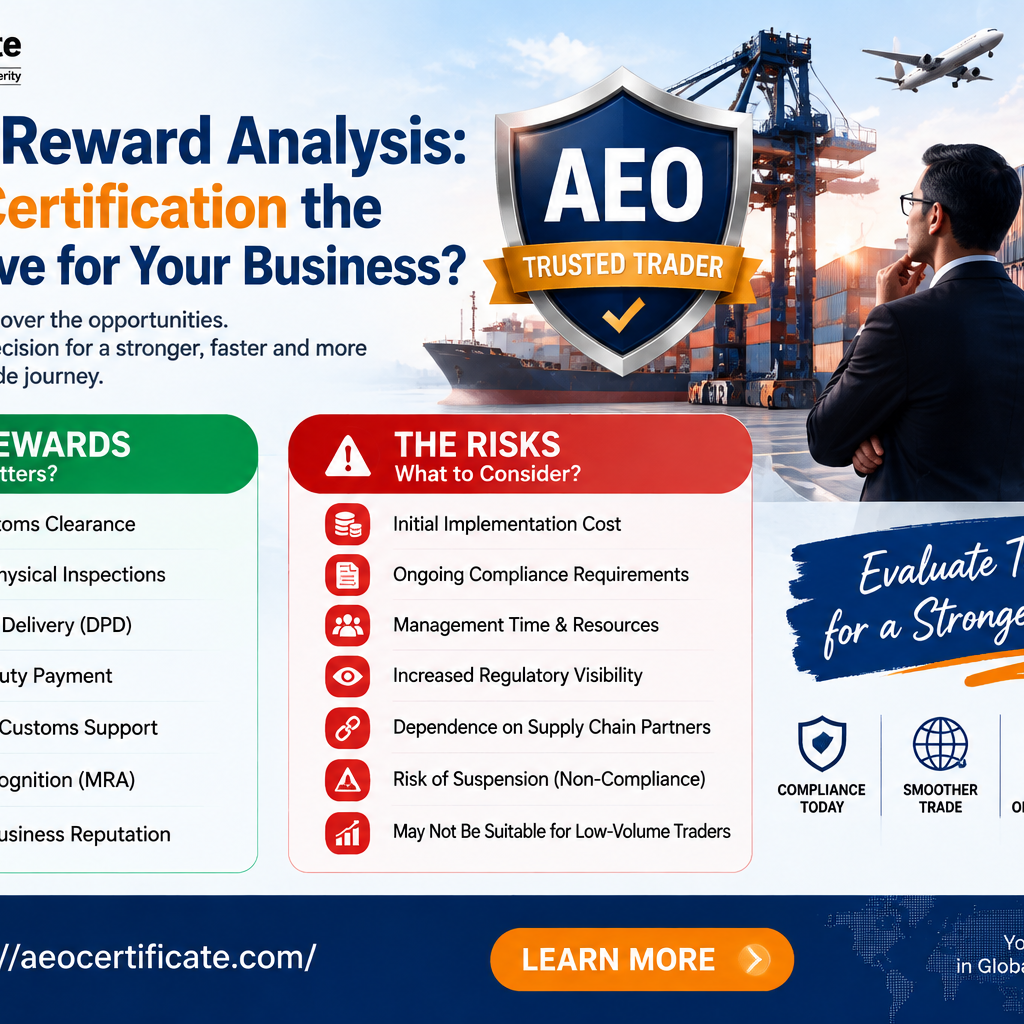
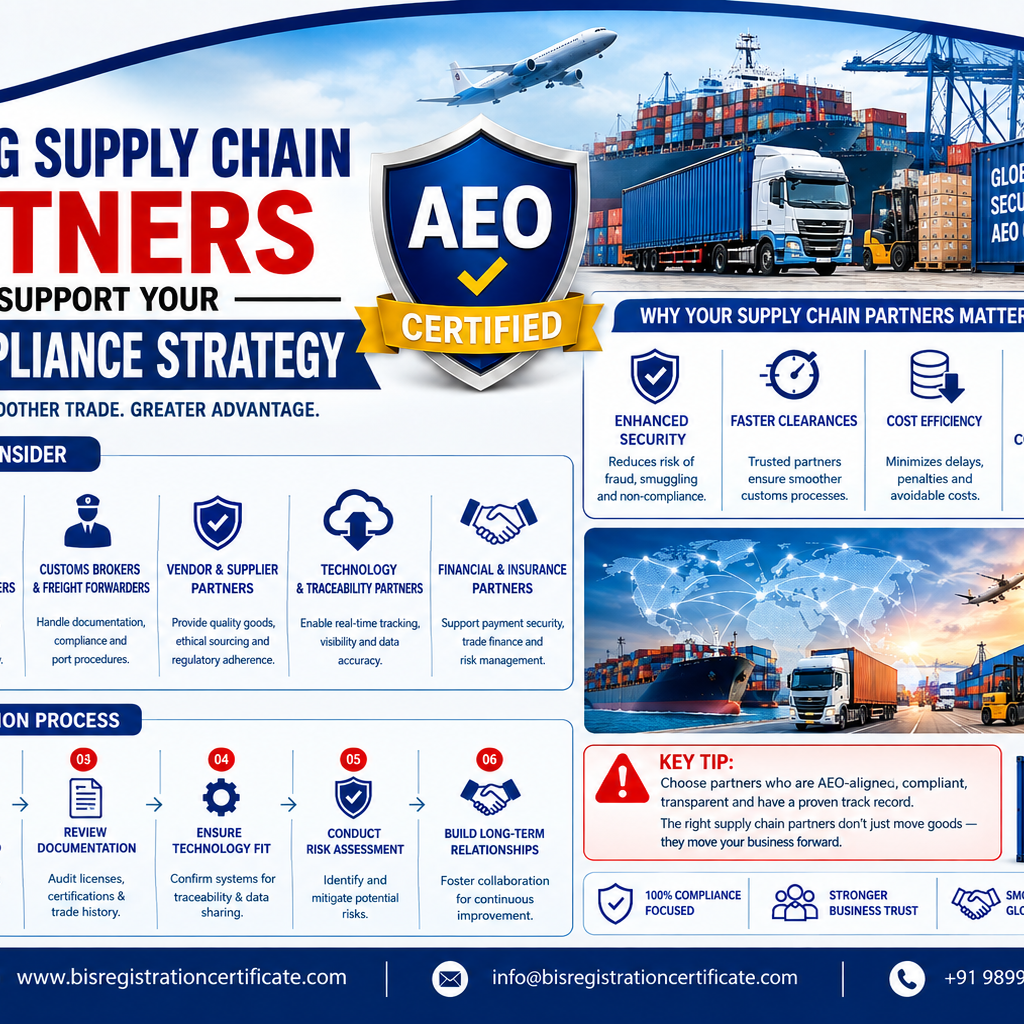
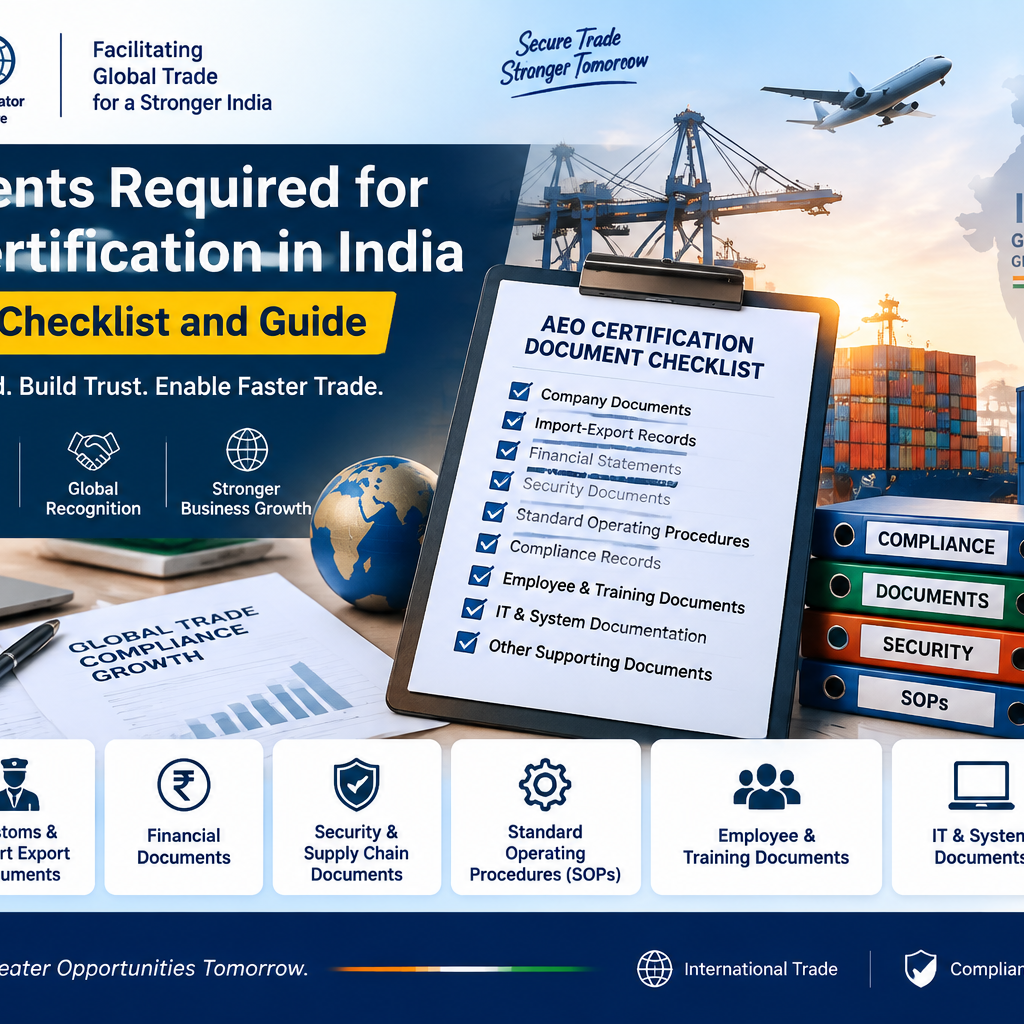
Companies engaged in high-volume cross-border trade, including Chinese manufacturers operating in India, face increasing compliance expectations from customs authorities, especially in sectors such as electronics, machinery, chemicals, and industrial components. For companies importing into or exporting from India through Telangana, AEO (Authorized Economic Operator) registration has become a strategic requirement rather than an optional certification. This article provides a clear and accurate cost comparison of AEO registration for Chinese manufacturers in Hyderabad, explains what actually drives the cost, and helps businesses choose the right AEO tier based on their trade volume and compliance maturity. Overview Hyderabad has emerged as a preferred operational base for many Chinese manufacturers due to its strong logistics connectivity, ICD facilities, proximity to major ports, and growing manufacturing ecosystem. However, customs delays, inspections, and compliance checks can significantly increase landed costs. AEO registration, issued by Indian Customs under the Central Board of Indirect Taxes and Customs (CBIC), helps trusted traders receive faster clearances, fewer examinations, and priority treatment. While AEO registration does not involve heavy government fees, the actual cost depends on preparation, documentation, audits, and professional support. What Is AEO Registration and Why It Matters for Chinese Manufacturers The Authorized Economic Operator (AEO) programme is based on the World Customs Organization’s SAFE Framework. It recognises businesses that demonstrate: Strong compliance history Secure supply chains Financial solvency Transparent record-keeping For Chinese manufacturers, AEO registration helps to: Reduce port and ICD delays Minimise physical cargo inspections Improve trust with Indian customs Lower logistics and demurrage costs Strengthen long-term India operations AEO Categories Applicable to Chinese Manufacturers Choosing the correct AEO tier is the first cost decision. S.No. AEO Category Best Suited For Cost Impact 1. AEO-T1 New or low-volume manufacturers Lowest compliance cost 2. AEO-T2 Regular importers/exporters Moderate cost 3. AEO-T3 Large manufacturers with strong systems Highest initial cost, maximum benefit Chinese manufacturers with long-term India plans usually aim for AEO-T2 or AEO-T3. Actual Cost Components of AEO Registration in Hyderabad Government Fees (Reality Check) There is no government application fee for AEO registration in India. The primary expenses arise from compliance preparation and professional support. Indian Customs primarily evaluates compliance readiness, not fee payment. Professional & Consultancy Costs (Primary Expense) This is the main cost area for Chinese manufacturers. S.No. AEO Tier Indicative Professional Cost Range 1. AEO-T1 ₹40,000 – ₹70,000 2. AEO-T2 ₹70,000 – ₹1,20,000 3. AEO-T3 ₹1,20,000 – ₹2,50,000+ Indicative ranges vary based on company readiness, documentation quality, and audit complexity. Internal Compliance & System Upgrade Costs For higher tiers, costs may increase due to: Physical security upgrades IT system improvements SOP documentation Inventory & access controls These costs are one-time investments, not recurring fees. Hyderabad-Specific Cost Considerations Depending on risk assessment, Customs may conduct detailed document reviews and on-site verification, especially for higher AEO tiers. Proper pre-audit preparation plays a major role in keeping compliance costs under control. Cost vs Benefit: Is AEO Worth It? While AEO registration has an upfront cost, benefits usually outweigh expenses within the first year: Faster clearance reduces detention and demurrage Lower inspection frequency saves logistics cost Predictable supply chain improves customer trust Priority treatment improves shipment reliability For medium-to-large Chinese manufacturers, AEO-T2 or AEO-T3 typically delivers net cost savings over time. Common Cost-Related Mistakes Chinese Manufacturers Make Choosing the wrong AEO tier Underestimating documentation effort Applying without internal compliance readiness Treating AEO as a “formality” instead of a system-based certification These mistakes often lead to rejections, delays, or repeated audits, increasing overall cost. Conclusion For Chinese manufacturers in Hyderabad, AEO registration is a strategic investment, not a statutory burden. While there is no heavy government fee, the real cost lies in compliance preparation, professional support, and audit readiness. A clear understanding of AEO tier requirements and cost drivers helps manufacturers choose the right path, control expenses, and unlock long-term operational benefits in India’s trade ecosystem. Is AEO registration mandatory for Chinese manufacturers in India? No, but it significantly improves customs clearance and operational efficiency. Does AEO registration involve fixed government fees? There are no government processing fees for AEO registration. Most costs relate to compliance readiness and professional support. Which AEO tier is best for large Chinese manufacturers? AEO-T3 offers maximum benefits for high-volume, compliant businesses. How long does AEO registration take? Typically 3–6 months, depending on audit readiness and tier.

Blog

Top-Rated AEO Certification for Korean Companies in India – Delhi & Mumbai

India has emerged as one of the fastest-growing trade destinations for South Korean companies, particularly in sectors like electronics, automotive, medical devices, and advanced manufacturing. As Korean businesses expand into India, the focus is no longer just market entry—but efficient, predictable, and compliant trade operations. However, one challenge consistently impacts growth: Customs delays, inspections, and regulatory complexity This is where AEO Certification becomes a strategic advantage—not just a compliance requirement What is AEO Certification in India? AEO (Authorized Economic Operator) is a globally recognised certification program implemented in India by CBIC (Central Board of Indirect Taxes and Customs), aligned with World Customs Organization (WCO) standards. It identifies businesses as secure, compliant, and low-risk trade partners, offering them preferential treatment in customs procedures. With AEO certification, companies benefit from: Faster cargo clearance Reduced physical inspections Priority handling at ports Streamlined customs procedures In practical terms, it transforms your import-export process into a faster, more reliable system. Why AEO Certification is Critical for Korean Companies in India Korean companies are known for precision-driven supply chains and operational efficiency. When entering India, they often encounter: Port congestion and unpredictable clearance timelines Documentation inconsistencies due to regulatory differences High demurrage and detention costs Lack of visibility in customs processing AEO certification directly addresses these issues. With AEO status: Clearance timelines become significantly faster and more predictable Inspection frequency reduces substantially Supply chain disruptions are minimized Compliance confidence increases This enables Korean companies to operate in India with the same efficiency standards they maintain globally. The Strategic Role of Delhi & Mumbai in AEO Implementation India’s trade ecosystem is geographically structured, and two regions play a crucial role in how AEO benefits are realized—Delhi NCR and Mumbai. Delhi NCR – Compliance & Inland Trade Control Hub Delhi NCR is not just an industrial cluster—it is a regulatory and compliance center. Companies operating here interact with: Inland Container Depots (ICDs) such as Tughlakabad Customs documentation and compliance authorities Import-export processing ecosystems For Korean companies with manufacturing or distribution bases in North India, AEO certification ensures: Structured documentation flow Faster inland cargo movement Reduced compliance friction It brings predictability and control to inland trade operations. Mumbai – India’s Primary International Trade Gateway Mumbai serves as the backbone of India’s import-export movement, particularly through: Jawaharlal Nehru Port (JNPT / Nhava Sheva) Integrated logistics and warehousing networks For Korean companies using western ports, AEO certification enables: Faster port clearance Reduced cargo dwell time Lower logistics and storage costs In essence: Delhi strengthens compliance efficiency, Mumbai enhances logistics efficiency, and AEO connects both into a seamless system. Types of AEO Certification in India Selecting the right AEO level is a strategic decision: AEO-T1 Certification – Entry-level, documentation-based AEO-T2 Certification – Enhanced compliance with verification AEO-T3 Certification – Highest level with maximum benefits AEO-LO Certification – For logistics operators The right selection ensures faster approval and optimal benefits. Key Business Benefits of AEO Certification AEO certification delivers measurable operational advantages: ✔ Significantly faster customs clearance ✔ Reduced inspection and intervention ✔ Lower demurrage and detention charges ✔ Improved working capital due to faster movement ✔ Enhanced global credibility and trust Over time, AEO becomes a competitive differentiator in international trade. AEO Certification Process in India While structured, the process requires precision: Compliance and eligibility assessment Preparation of SOPs and internal documentation Application filing through the AEO portal Customs verification or audit (for higher tiers) Final approval and certification Most delays occur not in the process, but in documentation and compliance readiness. Common Challenges Faced by Applicants Many companies face delays or rejection due to: Incomplete or inconsistent documentation Lack of internal compliance systems Incorrect certification level selection Poor audit preparedness For foreign companies, especially Korean firms, these challenges are amplified due to regulatory unfamiliarity. Why Choose ELT Corporate for AEO Certification? ELT Corporate offers a strategic, results-driven approach to AEO certification in India. ✔ End-to-end documentation and application support ✔ Deep expertise in Indian customs and regulatory frameworks ✔ Experience with international manufacturers and importers ✔ Faster approval-focused execution ✔ Integration with CDSCO, BIS, and import licensing services We don’t just guide you—we ensure successful certification and long-term compliance. A Strategic Advantage for Korean Companies Entering India AEO certification is not just about compliance—it is about building a scalable and efficient trade system in India. With operations aligned across Delhi and Mumbai, Korean companies can: Minimize operational risk Improve supply chain reliability Strengthen regulatory positioning It becomes a foundation for sustainable growth in the Indian market. Get Expert Guidance for AEO Certification in India Planning to expand your operations in India or optimize your import-export processes? AEO certification is no longer optional—it’s a strategic necessity. With ELT Corporate: ✔ Free eligibility assessment ✔ Complete documentation support ✔ Faster approval strategy

AEO Registration for Agricultural Exporters in Kolkata
Blog

Best AEO Registration for Agricultural Exporters in Kolkata – Complete Cost Breakdown

India is one of the world’s largest exporters of agricultural products, and Kolkata plays a key role because of its proximity to eastern ports, land borders, and international markets. However, agricultural exporters often face delays at customs, repeated inspections, high logistics costs, and unpredictable clearance timelines. This is where AEO Registration for Agricultural Exporters in Kolkata becomes a powerful solution. The Authorized Economic Operator (AEO) Programme, introduced by Indian Customs, helps trusted exporters get faster clearance, lower risk checks, and priority treatment. In this guide, we explain the best AEO registration for agricultural exporters in Kolkata, including eligibility, benefits, types of AEO, complete cost breakdown, timelines, and why expert support makes a real difference. What Is AEO Registration? AEO Registration is a voluntary trade facilitation programme introduced by CBIC (Central Board of Indirect Taxes and Customs). It recognises exporters who follow strong compliance, secure supply chain practices, and transparent business operations. Once approved, exporters are treated as low-risk and trusted partners by customs authorities. For agricultural exporters, AEO Registration in Kolkata helps reduce delays for perishable goods and ensures smoother exports. Why AEO Registration Is Important for Agricultural Exporters in Kolkata Agricultural exports are time-sensitive. Delays can lead to: Spoilage of goods Quality degradation Missed shipment deadlines Financial losses AEO Registration for Agricultural Exporters in Kolkata helps by: Speeding up customs clearance Reducing physical inspection of cargo Providing priority treatment at ports Lowering overall logistics and demurrage costs With Kolkata being a major gateway for rice, tea, spices, seafood, fruits, and vegetables, AEO registration becomes a competitive advantage. What Types of AEO Registration Are Available? Agricultural exporters can apply under different AEO levels based on business size and compliance history: AEO T1 Entry-level certification Ideal for small and mid-size exporters Faster clearance with basic benefits AEO T2 Higher level of trust Reduced examinations and faster processing Suitable for growing exporters AEO T3 Highest level of facilitation Minimal inspections and maximum benefits Best for large exporters with high volumes Choosing the best AEO registration for agricultural exporters in Kolkata depends on export volume, compliance strength, and future growth plans. Eligibility for AEO Registration An agricultural exporter can apply for AEO registration if: The business is legally registered in India At least 3 years of export operations are completed No major customs or tax violations exist Proper accounting and record-keeping systems are maintained Supply chain security measures are in place A clean compliance history plays a major role in approval. Easy Step-by-Step AEO Registration Process for Exporters in Kolkata Step 1: Internal Compliance Review Export records, GST filings, customs history, and SOPs are reviewed. Step 2: Risk & Gap Analysis Any gaps in documentation, security, or compliance are identified and corrected. Step 3: Application Filing The AEO application is submitted online to Indian Customs. Step 4: Desk Review by Customs Authorities evaluate documents, financials, and compliance history. Step 5: On-Site Verification Customs officers may visit warehouses, offices, or processing units. Step 6: Grant of AEO Certificate After successful verification, AEO certification is issued. Complete Cost Breakdown for AEO Registration Government Fees ✔ No government fee is charged for AEO registration. Professional / Consultancy Costs These depend on: AEO level (T1, T2, or T3) Size of the export business Documentation complexity Number of locations and warehouses Typical professional costs include: Compliance assessment Documentation preparation Application filing Audit and verification support Investing in the best AEO registration for agricultural exporters in Kolkata often results in long-term cost savings through faster clearance and fewer delays. Complete Process Timeline for Obtaining AEO Registration S.No. Stage Approximate Time 1. Documentation & preparation 2–3 weeks 2. Customs review & verification 6–10 weeks 3. Total timeline 2–3 months Timelines may vary depending on query resolution and audit findings. Validity of AEO Registration AEO validity depends on category                    AEO T1 – 3 Years                  AEO T2 – 3 Years                  AEO T3 – 5 Years Renewal is required before expiry Continuous compliance must be maintained Common Mistakes Agricultural Exporters Should Avoid Applying without internal compliance checks Incomplete documentation Weak record-keeping systems Ignoring supply chain security requirements Delayed responses to customs queries Avoiding these mistakes increases approval chances significantly. Why Choose ELT Corporate for AEO Registration? ELT Corporate provides the best AEO registration services for agricultural exporters in Kolkata, with a practical, exporter-friendly approach. ELT Corporate supports you with: Detailed AEO eligibility and readiness assessment Gap analysis and compliance correction End-to-end documentation preparation Application filing and customs coordination Support during audits and on-site verification Renewal and post-certification compliance guidance With ELT Corporate, exporters gain faster approval, fewer rejections, and long-term compliance confidence. Conclusion For agricultural exporters, time, freshness, and reliability matter the most. AEO Registration for Agricultural Exporters in Kolkata helps businesses move goods faster, reduce risk, and build global trust. With no government fee and long-term operational benefits, AEO registration is not an expense — it is a strategic investment. Choosing the best AEO registration support ensures smoother exports, fewer delays, and stronger international growth. Is AEO registration mandatory for agricultural exporters? No, it is voluntary, but highly beneficial for faster and smoother exports. Is there any government fee for AEO registration? No, AEO registration is free of cost from the government side. How long does AEO registration take? Usually between 2 to 3 months, depending on verification and queries. Which AEO level is best for agricultural exporters? AEO T1C suits small exporters, while T2 or T3 is better for high-volume exporters. Is AEO registration valid across all Indian ports? Yes, AEO certification is recognised across all customs ports in India.

AEO T3 Certification Services for Large Manufacturers in Delhi NCR
Blog

Premium AEO T3 Certification Services for Large Manufacturers in Delhi NCR

For large manufacturers in Delhi NCR — whether you operate in Manesar, Bahadurgarh, Noida, Greater Noida, Faridabad, or Gurgaon — AEO T3 certification represents the highest standard of customs compliance recognition available in India. It is the government’s formal declaration that your business operates with the highest levels of supply chain security, regulatory integrity, and trade compliance. AEO T3 is not for everyone. It is specifically designed for established importers and exporters with a strong, verified compliance track record — businesses that have held AEO T2 status for at least two consecutive years and are ready to demonstrate that their compliance systems are genuinely embedded in their operations, not just documented on paper. For large manufacturers in Delhi NCR who qualify, AEO T3 delivers the most comprehensive customs facilitation package available anywhere in India’s trade regulatory system — from the fastest possible clearance at ICD Tughlakabad, ICD Patparganj, and Delhi’s IGI Airport Air Cargo, to international recognition through India’s growing Mutual Recognition Agreement (MRA) network covering Singapore, South Korea, Hong Kong, and South Africa. ELT Corporate is Delhi NCR’s specialist AEO T3 consultant for large manufacturing businesses. Our team has guided manufacturers across pharmaceuticals, automotive components, electronics, textiles, engineering goods, and FMCG through the demanding T3 certification process — delivering results that transform their customs operations and competitive positioning in global trade. As of April 2026, only 212 businesses across India hold AEO T3 status. If your manufacturing business is among the few that qualify and obtains T3, you join an elite group that receives the most preferential treatment at every customs point in India — and at customs points in every MRA partner country worldwide. What Is AEO T3 — And Why Is It the Gold Standard? AEO — Authorized Economic Operator — is a programme administered by India’s Central Board of Indirect Taxes and Customs (CBIC) under the World Customs Organization’s SAFE Framework of Standards. The programme recognises businesses that meet strict standards of customs compliance, supply chain security, and financial solvency as ‘trusted traders’ — giving them priority treatment at customs. India’s AEO programme has three tiers for importers and exporters: T1 (entry level), T2 (intermediate), and T3 (advanced). AEO T3 is the programme’s apex certification — it delivers every benefit of T1 and T2 plus an additional layer of customs facilitation that is simply not available to any non-T3 business:   Benefit Non-AEO AEO T1/T2 AEO T3 RMS Green Channel routing Rare Consistent Guaranteed priority Physical inspection rate 20-30% Significantly reduced Near-zero Customs clearance speed (sea) 2-5 days 12-30 hours 4-8 hours Customs clearance speed (air) 12-36 hours 6-12 hours 2-4 hours Deferred duty payment Not available Available (T2) Available — maximum flexibility Bank guarantee exemption Full required Partial (T2) Maximum exemption International MRA recognition None Partial (T2) Full — all MRA countries Post-clearance audit frequency Regular Reduced (T2) Minimum — once in 3 years CBIC dedicated relationship None AEO Cell (T2) Senior dedicated contact Self-sealing of containers Not available Available (T2) Priority self-sealing Certificate validity N/A 2-3 years 5 years Global trade reputation signal None Recognised Premium — highest tier   AEO T3 certificate validity is 5 years — compared to 2 years for T1 and 3 years for T2. For large manufacturers with complex compliance programmes, the 5-year validity significantly reduces the overhead of certification management and renewal. AEO T3 Eligibility — Who Qualifies? AEO T3 is the most selective tier in CBIC’s programme. Eligibility requirements are strict and the assessment process is the most rigorous of all three tiers. Here is what large manufacturers in Delhi NCR must demonstrate to qualify:   Eligibility Criterion What CBIC Looks For Minimum 2 years of AEO T2 Status You must have held active, uninterrupted AEO T2 certification for at least 2 consecutive years before applying for T3. No shortcut — this is a hard prerequisite. Exceptional Compliance Track Record No customs violations, penalties, or show-cause notices during your T2 tenure. CBIC reviews your full compliance history — any lapses significantly weaken your T3 application. Advanced Supply Chain Security Programme Comprehensive, documented, and actually implemented supply chain security — covering physical premises, cargo handling, access controls, personnel vetting, IT security, and third-party partner security requirements. CBIC assesses the quality of implementation, not just documentation. Robust IT Systems and Digital Compliance Sophisticated IT infrastructure for customs compliance — EDI integration, digital record-keeping, real-time shipment tracking, and audit trail systems. T3 applicants are expected to demonstrate technology-enabled compliance. Senior Management Commitment Evidence that customs compliance is a board-level priority — compliance policies signed at director level, resource allocation to compliance function, and internal audit programmes reporting to senior management. Post-Market Compliance Excellence Your T2 performance data — clearance history, RMS scores, query rate, PCA outcomes — must demonstrate consistent, high-level compliance. CBIC uses your actual customs performance as the primary T3 assessment input. Financial Solvency — Positive Net Worth Current audited accounts showing positive net worth and positive net current assets — demonstrating financial stability appropriate for the highest tier of trade trust. 25+ Customs Documents per Year (10 for MSME) Active trading volumes — the same minimum document threshold as T1 and T2 applies, but T3 applicants typically far exceed this with high-volume manufacturing operations.   Why AEO T3 Matters Specifically for Large Delhi NCR Manufacturers Delhi NCR is home to some of India’s most significant manufacturing clusters — and the customs infrastructure that serves them. Understanding how AEO T3 specifically benefits manufacturers operating in this region is essential for making the business case for certification: ICD Tughlakabad — India’s Largest ICD ICD Tughlakabad handles some of the largest import and export volumes in India. For Delhi NCR manufacturers importing raw materials, components, or finished goods through Tughlakabad, AEO T3 delivers a transformational operational advantage. Non-AEO businesses routinely face 3 to 5 days of clearance delay at Tughlakabad during peak periods. AEO T3 holders clear in 4 to 8 hours — same day — with Direct Port Delivery taking goods from the ICD directly to the manufacturer’s

AEO T1 vs T2 Certification Guide
Blog

AEO T1 vs T2 Certification Guide for Logistics Companies in Ahmedabad

Ahmedabad is one of the fastest-growing logistical and trading centers in India. It empowers the textile and chemical trade exports and supports the supply chain for pharmaceuticals, engineering goods, and even e-commerce. Logistics companies that are located in or around the city often handle the customs clearance for the imports and exports that are frequently conducted through the city’s ICDs, customs ports and customs airports. For better customs due processing and overall operational efficiency many logistics companies in Ahmedabad are seeking customs Authorised Economic Operator or AEO certification. Of the different levels, AEO T1 and AEO T2 are the most pertinent to the logistics companies. This guide explains the differences between T1 and AEO T2 and the respective benefits and the eligibility and how logistics companies in the city of Ahmedabad can determine which is the most appropriate. What Is AEO Certification? The Authorised Economic Operator (AEO) programme, introduced by Indian Customs under CBIC, recognises businesses that demonstrate a strong record of customs compliance, financial solvency, and secure supply chain practices. AEO-certified companies are treated as low-risk entities, which results in faster customs clearance and fewer regulatory checks. Why AEO Certification Matters for Logistics Companies in Ahmedabad? For logistics companies, AEO certification helps to: Reduce customs clearance time Minimise physical inspections and document checks Improve delivery timelines for clients Lower operational and warehousing costs Build trust with exporters, importers, and international partners In a competitive logistics market like Ahmedabad, AEO certification also acts as a business credibility marker. AEO Certification Levels in India Indian Customs grants AEO certification in different tiers based on compliance maturity: AEO T1 – Entry-level certification AEO T2 – Advanced certification with higher facilitation AEO T3 – Highest level (mainly for large exporters/importers) Logistics companies generally apply for AEO T1 or AEO T2, depending on their scale and compliance readiness. What Is AEO T1 Certification? AEO T1 is the entry-level AEO certification for logistics companies that have a satisfactory compliance record and basic internal controls. Key Features of AEO T1 Simplified application process Limited documentation review No mandatory on-site verification in most cases Faster customs clearance compared to non-AEO entities Benefits of AEO T1 for Logistics Companies Reduced customs examination Priority processing of consignments Faster cargo release Improved coordination with customs authorities Validity of AEO T1 Valid for 3 years, subject to continued compliance Who Should Choose AEO T1? Small to mid-sized logistics companies First-time AEO applicants Companies with limited but consistent trade activity What Is AEO T2 Certification? AEO T2 is an advanced certification level designed for logistics companies with a strong compliance history, sound financial systems, and mature internal controls. Key Features of AEO T2 Detailed document review Mandatory on-site verification by Customs in most cases Assessment of supply chain security and risk management Benefits of AEO T2 for Logistics Companies All AEO T1 benefits Significantly reduced physical inspections Priority treatment at ports, ICDs, and air cargo complexes Deferred payment of customs duty (where applicable) Reduced requirement for bank guarantees Faster processing of refunds and claims What is the Validity of AEO T2? Valid for 3 years, with periodic compliance monitoring Can Companies Apply Directly for AEO T2? Yes, direct application for AEO T2 is permitted. However, Customs generally prefers: A proven compliance track record, or Prior AEO T1 certification (recommended but not mandatory) Comparison – AEO T1 vs AEO T2   S.No. Parameter AEO T1 AEO T2 1. Certification Level Entry-Level Advanced 2. Compliance Requirement Moderate High 3. On-Site Verification Usually not required Generally mandatory 4. Customs Examination Reduced Further reduced 5. Bank Guarantee Waiver Limited Significant 6. Deferred Duty Payment Not available Available 7. Refund Processing Faster Faster 8. Validity Period 3 Years 3 Years How Logistics Companies in Ahmedabad Should Choose Between AEO T1 and T2? Choose AEO T1 If: You are applying for AEO for the first time Your compliance systems are still developing Your trade volumes are moderate Choose AEO T2 If: You have strong internal controls and documentation You handle high-volume or time-sensitive cargo You want deeper customs facilitation and predictability Application Process for AEO Certification The application is filed online through the ICEGATE portal Required documents include compliance records, financial statements, and security policies Customs conducts verification and issues certification upon approval Conclusion For logistics companies in Ahmedabad, AEO T1 and AEO T2 certifications provide a structured path to improved customs facilitation and operational efficiency. AEO T1 is ideal for companies starting their compliance journey, while AEO T2 is suited for mature logistics operators seeking greater speed, predictability, and reduced regulatory burden. Selecting the right AEO tier depends on business scale, compliance readiness, and long-term growth plans. With proper preparation, AEO certification can become a strong competitive advantage in the logistics sector. Is AEO certification mandatory for logistics companies? No, it is voluntary but highly beneficial for regular trade operations. Can logistics companies apply directly for AEO T2? Yes, but strong compliance history is generally expected. Does AEO certification reduce customs duty? No, it does not reduce duty, but it allows deferred payment and faster processing. Is AEO certification valid across India? Yes, AEO benefits apply at all customs locations nationwide. How long does AEO approval take? Approval timelines vary, but complete and accurate applications are processed faster.

AEO Certification Consultants for Chemical Exporters in Hyderabad
Blog

Top 5 AEO Certification Consultants for Chemical Exporters in Hyderabad 2026

Chemical exporters in Hyderabad play a key role in India’s global trade, supplying speciality chemicals, intermediates, and industrial products to international markets. Due to the sensitive nature of chemical cargo and strict customs scrutiny, exporters often face delays, inspections, and compliance challenges at ports. This is where AEO certification consultants for chemical exporters in Hyderabad become essential. The AEO programme boosts exporters’ cardinal operational capabilities. Higher operational capabilities translate to preferential treatment from customs, rapid cargo clearance, and minimal intervention from customs, fewer inspections. AEO consultants with years of experience ensure the consulting process is streamlined to achieve certification and stay compliant with regulations. In 2026, the most experienced, knowledgeable, and compliance-supportive consultants in Hyderabad will be AEO consultants specialised in the chemical industry. This article will outline their experiences. Why Chemical Exporters in Hyderabad Need AEO Certification? Given their safety, environmental, and regulatory implications, the exportation of chemicals is considered to be a high-sensitivity trade. Being AEO certified allows these exporters to: Receive fewer inspections of their cargo Gain more time-efficient customs processing Better manage exportation using Just-in-Time (JIT) methods Enhance reputation in dealing with overseas importers Reduce overall costs related to logistics and storage Exporters of sensitive and/or structured chemicals are given AEO certification and the accompanying trust in their ability to cross borders predictively and reliably. What Criteria Were Used to Select These AEO Consultants? These AEO certification consultants for chemical Exporters in Hyderabad were selected on the basis of: Established AEO certification success in the application process Familiarity with exporters of chemicals Expertise on customs and safety compliance Comprehensiveness of service (document preparation, audits, post approval assistance) Field presence or active client relationship in Hyderabad/Telangana Top 5 AEO Certification Consultants for Chemical Exporters in Hyderabad ELT Corporate ELT Corporate is a leading name among AEO Certification Consultants for Chemical Exporters in Hyderabad, known for its strong regulatory and customs compliance expertise. Key strengths: Specialised support for chemical and industrial exporters Assistance for AEO T1, T2, and T3 certifications Internal compliance gap assessment and audit preparation Documentation, application filing, and customs coordination Post-certification compliance and renewal support ELT Corporate focuses on reducing approval timelines and ensuring long-term compliance, making them a preferred partner for chemical exporters. TJC Group (Trade & Customs Advisory) TJC Group provides AEO advisory services for exporters across multiple sectors, including chemicals. Highlights: Customs compliance and risk management AEO documentation and internal control review Support for exporters with multi-location operations BRICS Advisory Services BRICS Advisory offers trade compliance solutions for exporters aiming to strengthen customs reliability. Highlights: AEO application assistance Export compliance advisory Process improvement for customs audits Deloitte India Deloitte provides AEO certification support as part of its trade and customs advisory services. Highlights: Strong technical and regulatory expertise Suitable for large chemical exporters and MNCs Internal control and supply chain security reviews KPMG India KPMG supports AEO certification under its indirect tax and customs practice. Highlights: Compliance assessment and documentation Best suited for large-scale exporters Integration with broader trade compliance strategy AEO Certification Levels Relevant for Chemical Exporters Chemical exporters usually apply for: AEO T1 – Entry-level recognition AEO T2 – Advanced compliance and facilitation AEO T3 – Highest level with minimal customs intervention Most medium and large chemical exporters aim for AEO T2 or T3 to gain maximum trade benefits. Why Choose ELT Corporate for AEO Certification? Among all AEO Certification Consultants for Chemical Exporters in Hyderabad, ELT Corporate stands out because: Deep understanding of chemical export regulations Dedicated handling of customs audits and compliance checks Clear guidance on choosing the right AEO tier Transparent process with end-to-end support Continued assistance even after certification approval Their practical approach helps exporters avoid delays, rejections, and future compliance risks. Conclusion For chemical exporters in Hyderabad, AEO certification is no longer optional—it is a strategic advantage. Choosing the right AEO Certification Consultants for Chemical Exporters in Hyderabad ensures faster approvals, reduced customs friction, and long-term compliance. While several consultants offer AEO services, exporters should prioritise firms with chemical industry experience, strong customs knowledge, and post-certification support. With proper guidance, AEO certification can significantly strengthen export operations and global trust. Is AEO certification mandatory for chemical exporters? No, it is voluntary but highly beneficial for frequent exporters. Which AEO tier is best for chemical exporters? Most medium and large exporters prefer AEO T2 or T3. How long does AEO certification take? Usually between 3 to 6 months, depending on readiness. Does AEO reduce customs duty? No, it improves clearance speed and compliance, not duty rates. Is AEO valid across all Indian ports? Yes, AEO benefits apply nationwide.

AEO T2 vs T3 Certification Comparison for Automotive Manufacturers in Chennai
Blog

AEO T2 vs T3 Certification Comparison for Automotive Manufacturers in Chennai

Chennai houses one of the largest automotive production facilities in the country and also handles a considerable amount of cross-border trade in automotive parts, modules, and complete vehicles in addition to being involved in the export and import of fully finished automotive vehicles. These businesses do, however, encounter significant complications, which stem from customs delays, border inspections, and compliance challenges with production schedules and global supply obligations. This is the key area where the AEO certification is of great use. The Authorised Economic Operator (AEO) program advanced by Indian Customs provides trusted manufacturers with operational efficiencies delivered by faster clearances and reduced inspections. Of the various operational tiers, AEO T2 and AEO T3 certifications apply to the mid-sized and large automotive manufacturers based in the city. What Is AEO Certification, and Why Does It Matter for Automotive Manufacturers? The AEO program offers certification to importers and exporters who demonstrate a level of customs compliance that suggests they are low-risk to customs, in addition to robust supply chain practices that safeguard their business from financial fraud and compromise. In Chennai, AEO certification helps automotive manufacturers to: Eliminate delays caused by congestion at the ports Advances the effectiveness of Just in Time (JIT) supply chains Decrease costs related to logistics and warehousing Increase the level of global customer trust Facilitate continued growth in exports over time The tiers of AEO Certification: Where T2 and T3 Fit The Indian Customs Department assigns three tiers of AEO Certification based on a firm’s international trading activities: AEO T1 – Entry Level Recognition AEO T2 – Advanced Level Recognition AEO T3 – Highest Level of Facilitation and Trust Due to having significantly more complex logistics and higher trade activities in their supply chains, most manufacturers in the automotive sector aim for AEO T2 or T3. What Does AEO T2 Certification Mean? AEO T2 certification means that the firm is for intermediate-advanced level certification that has a strong, proven record of compliance, and has established sufficient and appropriate internal controls over their operations. Certification involves a partial review of documentation, as well as on-site verification of the company’s business premises. Key Benefits of AEO T2 for Automotive Manufacturers Reduced customs examination and scanning Priority clearance at ports and ICDs Deferred payment of customs duty Reduced requirement for bank guarantees Faster processing of refunds and claims Eligibility for Mutual Recognition Agreement (MRA) benefits with partner countries What is the Validity of AEO T2 Certification? AEO T2 certification is generally valid for 3 years, subject to periodic compliance monitoring. Who Should Choose AEO T2? Automotive component exporters Manufacturers with consistent import/export activity Companies looking for faster clearance but not yet ready for top-tier compliance obligations What Is AEO T3? AEO T3 is the highest level of AEO certification available to importers and exporters. It is granted to businesses that demonstrate exceptional compliance history, mature internal systems, and supply chain security. In most cases, applicants are expected to have prior AEO T2 certification or equivalent compliance credentials. Key Benefits of AEO T3 for Automotive Manufacturers All AEO T2 benefits, plus enhanced facilitation Minimal or waived routine physical inspections Complete waiver of bank guarantees in most cases Acceptance of self-certified documents Priority treatment during system disruptions Faster customs refunds and rebates Stronger recognition under international MRAs What is the Validity of AEO T3 Certification? AEO T3 certification is generally valid for 5 years, making it ideal for long-term exporters. Who Should Choose AEO T3? Large automotive OEMs High-volume exporters and importers Companies with global supply chains and strict delivery timelines Businesses aiming for maximum customs predictability Difference between AEO T2 vs AEO T3   S.No. Parameter AEO T2 AEO T3 1. Certification Level Advanced Highest 2. Compliance Requirement High Very High 3. Physical Verification Mandatory Risk-based 4. Customs Examination Reduced Minimal 5. Bank Guarantee Waiver Partial Almost full 6. Deferred Duty Payment Allowed Allowed 7. Self-Certified Documents Limited Accepted 8. Refund Processing Faster Fastest 9. MRA Benefits Available Strong global acceptance 10. Validity Period 3 Years 5 Years Why AEO Certification Is Especially Important in Chennai Chennai handles large volumes of automotive exports through seaports, air cargo, and ICDs. Even small delays can disrupt: Production schedules Dealer commitments International contracts AEO T2 or T3 certification helps manufacturers maintain predictable clearance timelines, reduce port dependency, and strengthen India’s image as a reliable automotive exporter. How Automotive Manufacturers Can Decide Between AEO T2 and T3 Choose AEO T2 if: Your compliance systems are strong but still evolving You want faster clearance without top-tier obligations Choose AEO T3 if: You have mature compliance systems You export at scale and require minimal customs intervention You want maximum trade facilitation and global recognition Conclusion For automotive manufacturers in Chennai, AEO T2 and AEO T3 certifications are powerful tools that improve supply chain efficiency, reduce customs friction, and support global expansion. While AEO T2 offers strong facilitation for growing exporters, AEO T3 delivers maximum trust, speed, and predictability for large-scale manufacturers. Choosing the right AEO tier depends on trade volume, compliance maturity, and long-term export strategy. With proper guidance and documentation, AEO certification can become a key competitive advantage in the automotive sector. Is AEO certification mandatory for automotive manufacturers? No, it is voluntary but highly beneficial for frequent importers and exporters. Can a company apply directly for AEO T3? Usually no; prior AEO T2 certification or equivalent compliance history is expected. Does AEO certification reduce customs duty? No, it does not reduce duty but allows deferred payment and faster processing. Are AEO benefits valid across all Indian ports? Yes, AEO benefits apply nationwide across customs locations. Does AEO certification help exports outside India? Yes, Mutual Recognition Agreements provide facilitation in partner countries.

AEO Certification for Automobile
Blog

AEO Certification for Automobile Component Manufacturers in India

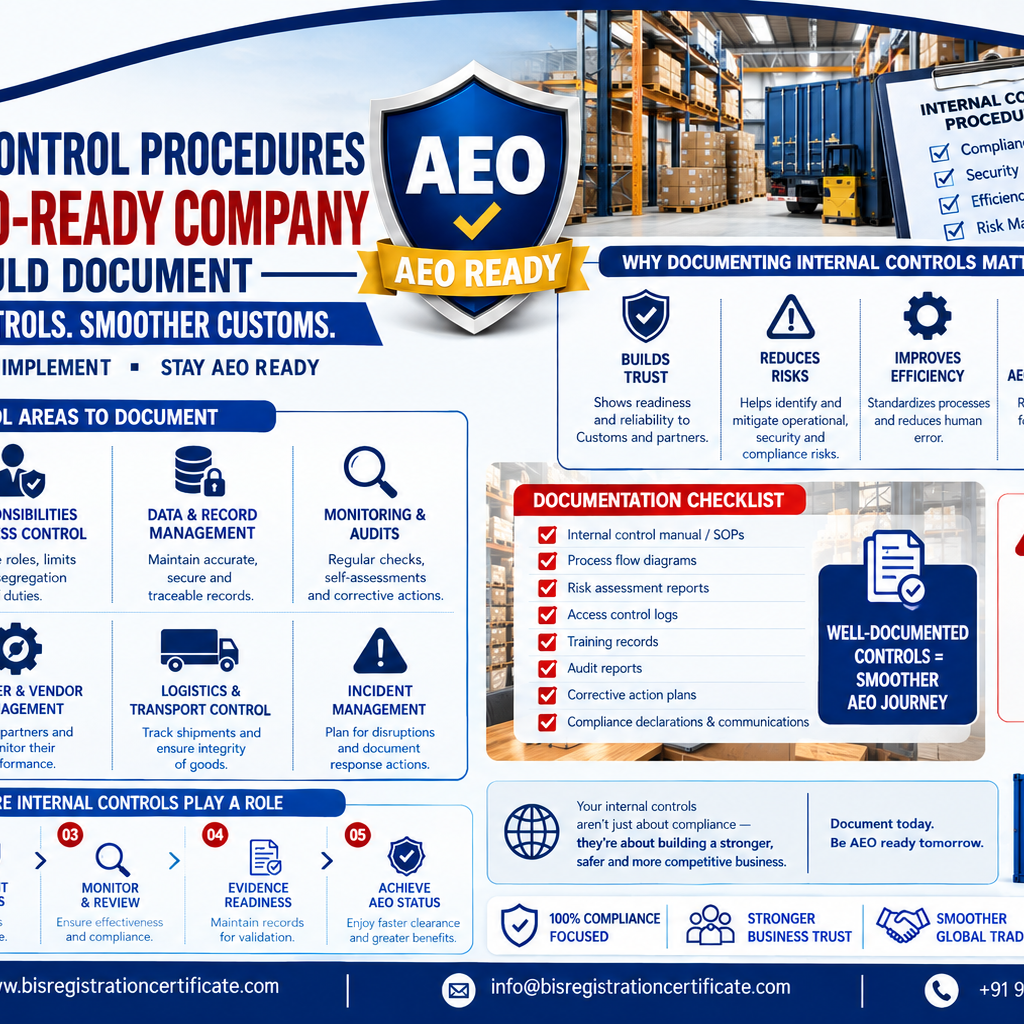
India has become a global powerhouse in automobile component manufacturing, supplying critical engine parts, EV components, electrical systems, brake assemblies, and precision components to OEMs across the US, Europe, Japan, South Korea, and the Middle East. In such a competitive ecosystem, zero delay and high supply-chain predictability are essential. However, exporters routinely face: Port congestion & customs delays Physical inspections Documentation queries Unpredictable gate-out timelines Line stoppage risk for OEMs Cost escalations due to demurrage & warehousing For industries operating on JIT (Just-in-Time), JIS (Just-in-Sequence), and lean manufacturing, even a few hours of delay can break contractual timelines. This is why the Central Board of Indirect Taxes & Customs (CBIC) strongly encourages automotive manufacturers to obtain AEO Certification (Authorized Economic Operator) — a trusted global status that ensures faster, smoother, and more predictable customs clearances. And this is where ELT Corporate, India’s leading AEO consulting firm, supports end-to-end documentation, compliance preparation, audit readiness, and complete AEO approval management. What Is AEO Certification? (Automotive Industry View) AEO Certification is a CBIC-implemented program under the WCO SAFE Framework that recognizes exporters and manufacturers with: Strong customs compliance Secure supply-chain processes Reliable internal controls Transparent inventory movement Low-risk manufacturing operations Once certified, automobile component exporters are categorized as trusted exporters, resulting in: Faster customs movement Reduced physical & document checks Priority at ports & airports Minimal intervention Higher acceptability by global OEMs AEO Certification is available in three levels: AEO-T1 – Fastest to obtain AEO-T2 – Most preferred for automotive exporters AEO-T3 – Highest level for long-standing compliant companies For Indian automotive manufacturers, AEO-T2 offers the best value because it unlocks maximum benefits with manageable documentation. Why Automobile Component Manufacturers Must Have AEO Certification 1️. Priority Clearance at Sea & Air Ports Your shipments move ahead of non-AEO cargo, reducing dwell time and improving delivery reliability. 2️. Minimal Physical & Document Inspections CBIC treats your shipments as low-risk, resulting in smooth gate-out with fewer delays. 3️. No Routine Examination Exceptional predictability for JIT/JIS supply chains. 4️. Global Recognition for Export Markets AEO status is recognized under several Mutual Recognition Agreements (MRAs) across Europe, UAE, Japan, South Korea, etc. 5️. Stronger Vendor Rating for OEM Contracts OEMs prefer suppliers with strong compliance history and predictable shipment performance. 6️. Lower Operational & Compliance Costs Reduced warehousing charges Lower demurrage Faster imports of tools, dies, molds, CKD/SKD kits 7️. Enhanced Cash Flow Faster cargo movement – lower inventory holding – reduced financial blockage. Who Should Apply? (Automotive Ecosystem) AEO certification is ideal for: Tier-1 component manufacturers Tier-2 and Tier-3 vendors Engine, brake, gear, transmission part makers EV battery, motor & electronics component suppliers Auto electrical & electronics manufacturers OEM-linked component plants Export-heavy automotive MSMEs If you export consistently, AEO is no longer optional — it’s a competitive advantage. AEO Certification Levels for Automotive Manufacturers AEO-T1 Entry-level compliance Quick approval timeline Suitable for growing exporters AEO-T2 Best fit for Tier-1 and Tier-2 manufacturers Significant reduction in checks Strong international acceptance Ideal for high-volume exporters AEO-T3 Highest level with maximum benefits Reserved for long-term, highly compliant manufacturers Step-by-Step AEO Certification Process for Automobile Manufacturers ELT Corporate manages the entire lifecycle from documentation to final approval. STEP 1 – Eligibility Check & Gap Assessment Our team evaluates: Customs compliance history Financial soundness Security & factory access controls CCTV coverage & retention Employee background verification Raw material & finished goods traceability Inventory & seal management Vendor compliance checks This ensures full alignment with CBIC AEO requirements. STEP 2 – Documentation & Annexure Preparation We prepare complete documentation, including: GST, IEC, PAN Security plan & factory layout Visitor control system Inward/Outward movement registers Raw material tracking Finished goods movement flow Access control logs Production flowchart Employee verification records STEP 3 – AEO Portal Application Submission We compile all documents and submit your application on the official CBIC AEO Web Portal. STEP 4 – CBIC Coordination & Query Resolution ELT Corporate liaises directly with customs authorities to ensure: All clarifications are responded to Documentation queries are resolved No procedural delays occur This significantly reduces the risk of rejection. STEP 5 – Factory Audit Preparation & Support CBIC auditors visit your manufacturing facility. We prepare your team through: Mock audits SOP improvements Security compliance checks Checklist-based readiness training This ensures a smooth, stress-free audit. STEP 6 – Final AEO Approval Once verified, CBIC issues your AEO certificate: AEO-T1 / T2 validity: 3 years AEO-T3 validity: 5 years AEO Certification Cost for Automotive Manufacturers There is no renewal fee charged by CBIC (per 2026 guidance), though a government application fee is commonly cited by expert consultants. The total cost depends on: Number of manufacturing units Documentation workload Compliance gaps Audit preparation needs AEO level (T1 vs T2 vs T3) Professional consulting support ELT Corporate offers sector-specific, affordable packages for automotive exporters. Why Leading Auto Companies Choose ELT Corporate ELT Corporate has helped 300+ manufacturers achieve AEO certification with high success rates. Our AEO Services Include: Full documentation preparation (Annexure A/B/C) Gap assessment & compliance support AEO portal application management CBIC coordination On-site audit support AEO renewal & post-certification assistance Fast-track approval management

How AEO Status Helps E-Commerce Exporters Get Through Customs Faster
Blog

How AEO Status Helps E-Commerce Exporters Get Through Customs Faster

In the fast-paced world of e-commerce, customs delays and hefty clearing costs can have a big effect on company margins and customer happiness. The Authorized Economic Operator (AEO) Certification has changed the game in overcoming these problems, as it was set up by the Central Board of Indirect Taxes and Customs (CBIC) under the World Customs Organisation’s SAFE Framework. By obtaining AEO certification in India, e-commerce exporters demonstrate secure and compliant supply chain practices. The result is faster customs clearance, reduced inspection frequency, and lower operational costs, allowing businesses to stay competitive and efficient. AEO Certification and Its Impact on E-Commerce Exporters The world recognizes AEO Certification for businesses that meet the highest standards of compliance, security, and reliability in trade. The program is run by CBIC in India, and its goal is to build confidence between Customs and businesses that follow tight rules. This certification guarantees that e-commerce exporters will get preferential treatment at ports and airports, which accelerates the process of clearing products and reduces delays. It means that Customs thinks your shipments are low risk, which helps your logistics operations stay fast and reliable. How AEO Certification Enhances E-Commerce Exporter Operations AEO status might be a big deal for online exporters who handle thousands of shipments every day. It makes dealing with customs easier, cuts down on paperwork, and builds confidence with the authorities over time. Exporters with AEO certification are viewed as reliable business partners, allowing them to: Processing at ports and airports is a top priority. Fewer papers and physical checks Easier ways to have things cleared These benefits cut down on delays and costs right away, which means speedier deliveries and a better experience for customers. Why E-Commerce Exporters Need AEO Certification In e-commerce, being quick means being successful. Every late shipment can cost you sales, get you bad reviews, and break your confidence with clients. Exporters can avoid these risks by getting AEO certification, which makes logistics faster and more predictable. The accreditation gives your company more legitimacy, makes customers happier, and makes it a trusted exporter in global supply chains. Because of this, your business gets both a reputation and an operational edge. Steps to Apply for AEO Certification in India Step 1: Check to see whether you are eligible To apply for AEO certification in India, make sure your business fits CBIC’s requirements, which include being in business for at least three years, having a clean compliance record, and good supply chain management. Step 2: Get the papers ready Get documents like the GST, PAN, and IEC. Audited financial reports Policies for keeping the supply chain safe Application forms A, B, and C An AEO certification consulting service in India can aid you with document correctness and compliance reviews if you want professional help. Step 3: Fill out an online application Use the CBIC portal at aeoindia.gov.in to send in your AEO registration. Step 4: Review by Customs CBIC may check your application by looking over your documents or visiting your location. Step 5: Get your certification Your AEO certificate is good for 3 to 5 years after it is approved. This speeds up customs procedures for your business and gives you long-term benefits. AEO Certification Services for E-Commerce Exporters in India We help exporters in India get AEO certification at ELT Corporate. We examine their eligibility and give them the final certificate. Our professionals assist you: Full reviews of compliance and documentation Handle online applications and talk to customs officials Have immediate help with AEO certification in India to have it approved faster. You can now book AEO certification service with ELT Corporate and let experts take care of the details while you work on growing your business. AEO Registration Cost in India The cost of AEO registration in India depends on your level of certification (T1, T2, or T3) and the size of your organization. Hiring an AEO certification consulting agency in India may cost money, but it guarantees faster service and compliance without mistakes. For e-commerce exporters, the benefits far outweigh the cost. Faster delivery times, less delays, and happier customers all add up to a demonstrable return on investment (ROI). Conclusion AEO accreditation lets e-commerce exporters speed up customs processing, make paperwork easier, and boost their global reputation. This certification gives you faster customs clearance, fewer operating costs, and more trust from international partners. ELT Corporate, India’s most trusted AEO certification consulting firm, can help you acquire AEO certification in 60 days or less. We are experts in helping businesses achieve AEO accreditation swiftly and easily in India.

Why Professional AEO Consulting Saves Time and Reduces Risk
Blog

Why Professional AEO Consulting Saves Time and Reduces Risk

The AEO application is free. The portal is online. The guidelines are publicly available on aeoindia.gov.in. So why do so many businesses — importers, exporters, manufacturers — end up with delayed approvals, repeated CBIC queries, or outright rejections when they attempt the process on their own? The answer is not that AEO is complicated in theory. It is that the gap between understanding AEO and executing a successful application is wider than most businesses anticipate — and the cost of that gap is measured in months, not days. This guide gives you an honest, specific look at where self-applications go wrong, what professional AEO consulting actually does, and how to decide whether it makes sense for your business. First: Is Self-Application Even Possible? Yes — and for AEO-T1, a well-organised business with clean compliance records, complete documentation, and an experienced in-house trade compliance team can absolutely self-apply successfully. But here is the reality for most businesses: The application requires a thorough internal compliance gap analysis — most businesses have never done one The annexures require precise, structured documentation of security protocols, SOPs, financial records, and trade history — formats that are unfamiliar to most finance or logistics teams For AEO-T2 and T3, a mandatory physical site inspection by CBIC officers requires preparation that goes far beyond form-filling Show Cause Notice history must be evaluated carefully before applying — an overlooked SCN can cause immediate rejection Any deficiency noticed within 30 days triggers a formal deficiency notice — and the clock resets The question is not whether self-application is possible. It is whether the time, internal resources, and risk of errors are worth it compared to working with experienced consultants. For most businesses — particularly those applying for T2, T3, or AEO-LO — the answer consistently favours professional support. The Real Cost of a Delayed or Rejected AEO Application Before we get into what consulting does, it is worth being specific about what is at stake when an application goes wrong. 1. Lost Time = Lost Benefits Every month your AEO application is delayed is a month your business continues to operate without: Faster customs clearance on every shipment Reduced or waived bank guarantees Direct Port Entry and Direct Port Delivery privileges Priority duty drawback processing Deferred duty payment (T2/T3) For a business shipping 50 consignments per year, even a 3-month delay in certification translates to approximately 12–15 shipments processed without AEO benefits — with all the associated clearance delays, inspection costs, and capital locked in bank guarantees. 2. Each Query Cycle Costs 4–8 Weeks When CBIC raises a deficiency notice or query, your application is paused until you respond. A complete, well-evidenced response can move things forward quickly. A partial or unclear response triggers another round. Each cycle adds 4–8 weeks to your timeline — compounding if there are multiple deficiencies. 3. Rejection Means Starting Over If your application is rejected, you can reapply — but only after correcting the underlying issues. Rejection resets the entire process. For AEO-T1, this means another 30-working-day review cycle from scratch. For T2 and T3, it means another round of site inspections and document verification — adding months to what should have been a single-pass process. 4. SCN-Related Rejections Can Be Avoided One of the most common — and most preventable — rejection reasons is an undisclosed or unresolved Show Cause Notice (SCN). A big hurdle in AEO applications is Show Cause Notices. If your company received an SCN in the last 3 years involving fraud, misclassification, suppression, or non-payment of collected taxes, you may not be eligible. An experienced consultant identifies SCN exposure before the application is filed — not after rejection. What Specifically Goes Wrong in Self-Applications Based on common rejection patterns from CBIC’s AEO review process, these are the most frequent failure points for businesses that apply without professional support: Common Self-Application Failure What Actually Happens Eligibility not properly assessed before applying SCN history, IEC/GST inconsistencies, or document volume shortfall causes rejection after significant time investment Annexures incomplete or incorrectly formatted CBIC issues deficiency notice within 30 days — timeline resets Security questionnaire (Annexure B) poorly completed For T2/T3, weak security documentation triggers site inspection failures SOPs not documented in required format Customs inspector identifies gaps during site visit — additional submissions required Financial records not presented correctly Solvency and compliance profile questioned — query raised Compliance history gaps not addressed proactively CBIC queries specific transactions or periods — response takes weeks Wrong tier selected for current business profile Ineligible for selected tier — entire application must be refiled under correct tier Business partner AEO status not verified (T3) Mandatory T3 requirement missed — application rejected at eligibility stage What Professional AEO Consulting Actually Does This is where we move beyond the generic “we help you get certified” narrative. Here is specifically what experienced AEO consultants do that self-applicants typically cannot replicate: 1. Pre-Application Eligibility Audit Before a single form is filled, a professional consultant conducts a structured review of: Your customs transaction history — Bills of Entry, Shipping Bills, volumes, and patterns SCN history — identification of any notices that could affect eligibility, with assessment of whether they are within the 3-year disqualification window GST and IEC compliance status Financial health indicators Existing security infrastructure against AEO requirements This audit tells you, before you invest time in documentation: are you ready to apply, and which tier is the right starting point? 2. Compliance Gap Analysis and Remediation Most businesses have gaps between where they are and where AEO standards require them to be. A consultant identifies these gaps specifically: Missing or informal SOPs for cargo handling, access control, or employee security Incomplete physical security infrastructure (CCTV coverage, visitor management, restricted areas) Accounting systems not meeting the required audit-trail standards Business partner compliance gaps (critical for T3) Crucially, these gaps are identified and closed before the application is submitted — not discovered during a CBIC site inspection. 3. Annexure and Documentation Preparation AEO applications require precise completion of multiple annexures

Scroll to Top