In today’s global trade environment, speed is everything. Whether you are importing cosmetics, pharmaceuticals, or regulated goods, one key factor that impacts your business is customs clearance time.
Delays at customs can increase costs, disrupt supply chains, and affect delivery timelines. To understand how businesses can overcome this challenge, it’s important to look at the difference between AEO and Non-AEO status.
Understanding AEO: A Game-Changer in Global Trade
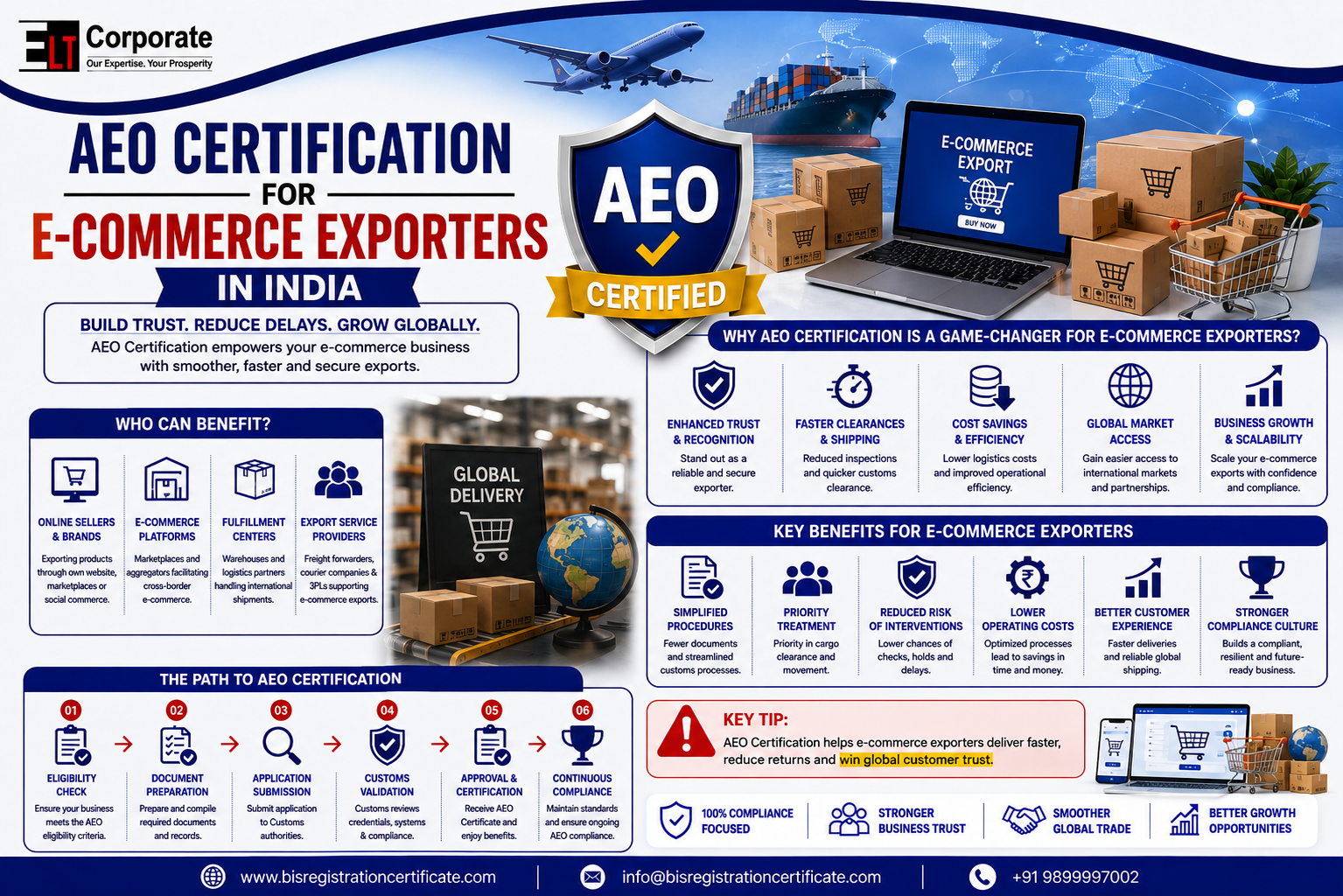
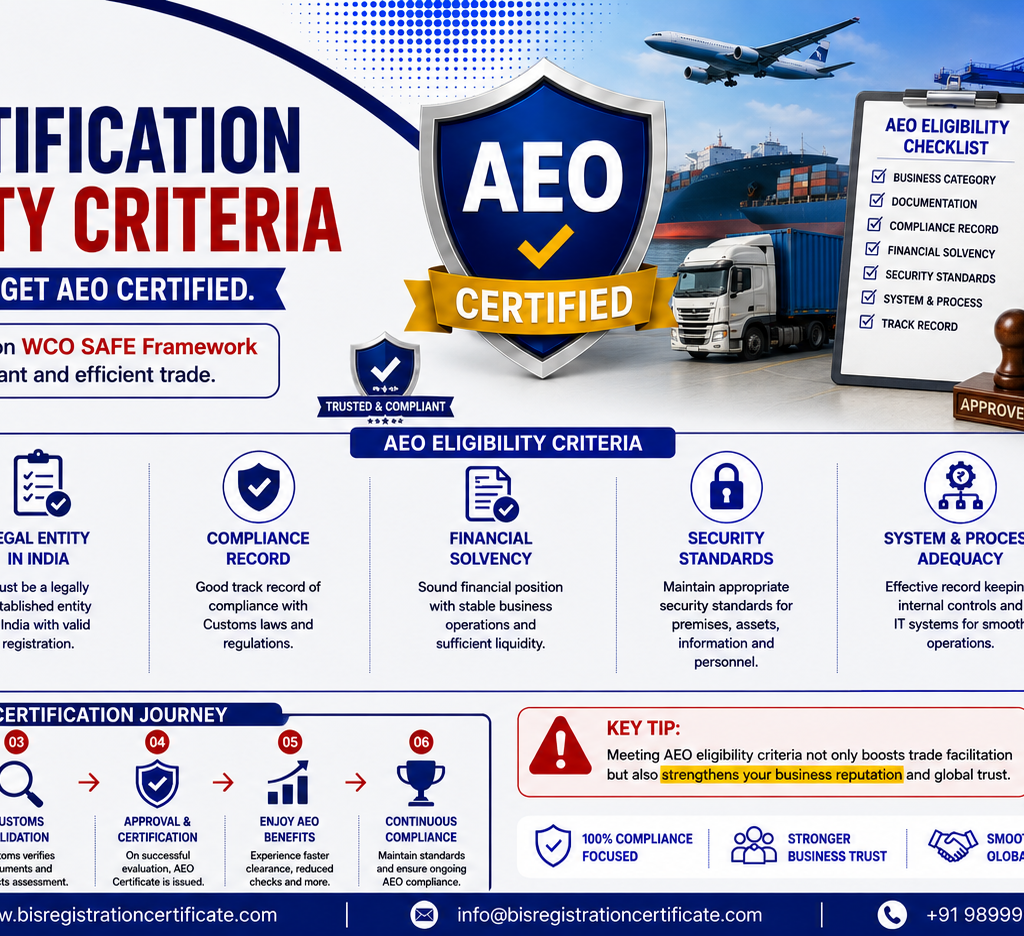
An Authorised Economic Operator (AEO) is a business recognised by customs authorities as compliant, secure, and low-risk.
Businesses can apply for different levels, such as AEO-T1 certification, AEO-T2 certification, and AEO-T3 certification, depending on their compliance level and operational scale.
These certifications help businesses gain faster approvals and reduced inspections during customs clearance.
AEO vs Non-AEO: Key Differences
| Parameter | AEO | Non-AEO |
| Clearance Speed | Fast | Slower |
| Inspection | Minimal | Frequent |
| Documentation | Simplified | Detailed |
| Priority Handling | High | Standard |
Customs Clearance Time Comparison
- AEO Companies: Clearance in 6–24 hours (often same day)
- Non-AEO Companies: 2–5 days or more due to checks and inspections
Illustrative Case Scenarios
Case 1: AEO-Certified Cosmetic Importer
A cosmetic importer bringing skincare products into India had already obtained AEO-T1 certification, ensuring compliance and trust with customs authorities.
Process:
- Shipment arrives
- Minimal document verification
- No physical inspection
Result:
- Clearance completed within 24 hours
- Faster delivery to the warehouse
Case 2: Non-AEO Importer
Another importer without AEO status imported similar products.
Process:
- Detailed document checks
- Random inspection triggered
- Additional queries raised
Result:
- Clearance delayed by 3–4 days
- Increased storage and demurrage costs
Businesses facing such delays can consider applying for AEO-LO certification to improve their clearance efficiency and reduce inspection frequency.
Case 3: Scaling Business Moving to Higher AEO Level
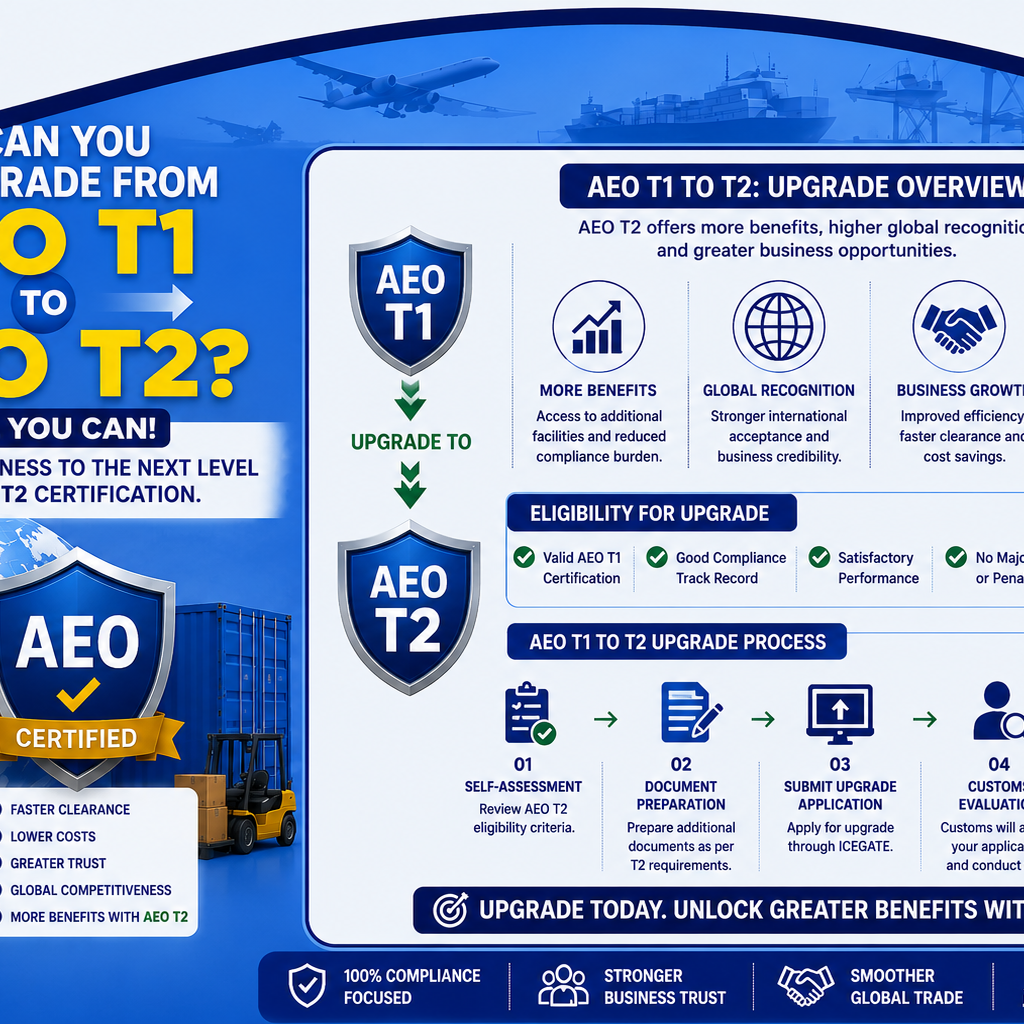
A growing importer initially started with AEO-T1 but later upgraded to AEO-T2 certification and eventually AEO-T3 certification.
Result:
- Priority clearance
- Almost zero inspection
- Faster and more predictable logistics
Why AEO Certification Is a Competitive Advantage
Businesses aiming for long-term growth should consider upgrading from basic certification to advanced levels like AEO-T2 certification or AEO-T3 certification for maximum benefits.
Key Benefits:
- Faster clearance
- Reduced costs
- Better planning
- Increased trust in authorities
AEO vs Non-AEO: Time Comparison Summary
| Scenario | AEO | Non-AEO |
| Low-risk shipment | Same-day clearance | 2–3 days |
| Moderate shipment | <24 hours | 3–4 days |
| High-risk shipment | 1–2 days | 5+ days |
Final Conclusion
If your business depends on imports, especially regulated products like cosmetics, delays can directly impact your operations and profitability.
Whether you are starting with AEO-T1 certification or planning to upgrade to AEO-T2 certification, AEO-T3 certification, or even AEO-LO certification, choosing the right level can significantly reduce clearance time and improve efficiency.
FAQs
How much time does AEO certification actually save on customs clearance?
NTRS insights show that AEO facilitation can improve predictability and reduce interventions, but the time impact varies by mode (sea/air/ICD), port congestion, risk parameters, and documentation quality. In many import scenarios, facilitation benefits are more visible than export time gains in aggregate comparisons. The best way to estimate your time saving is to compare your last 20–30 consignments (non-AEO) vs expected AEO facilitation outcomes at the same port/ICD.
What is the ROI on AEO certification for a medium-sized exporter?
Many exporters report strong ROI after obtaining AEO certification due to reduced delays, improved predictability, and lower demurrage and logistics risks. Benefits typically include smoother clearance, better shipment planning, improved cash flow through facilitation measures, and increased client confidence. Actual ROI depends on shipment volume, port usage, compliance history, and operational efficiency, but many businesses recover certification investment within the first year of operational benefits.
How does AEO help with port congestion issues at Mumbai/JNPT?
AEO status enables facilitation measures such as Direct Port Delivery (DPD) and Direct Port Entry (DPE), allowing shipments to bypass certain intermediate handling stages where applicable. During congestion periods, AEO-certified shipments often receive facilitation priority, improving predictability and reducing avoidable delays. Actual benefits depend on port infrastructure, operational conditions, and approvals applicable at the port or ICD.
Can international exporters from China/Korea/USA benefit from India’s AEO program?
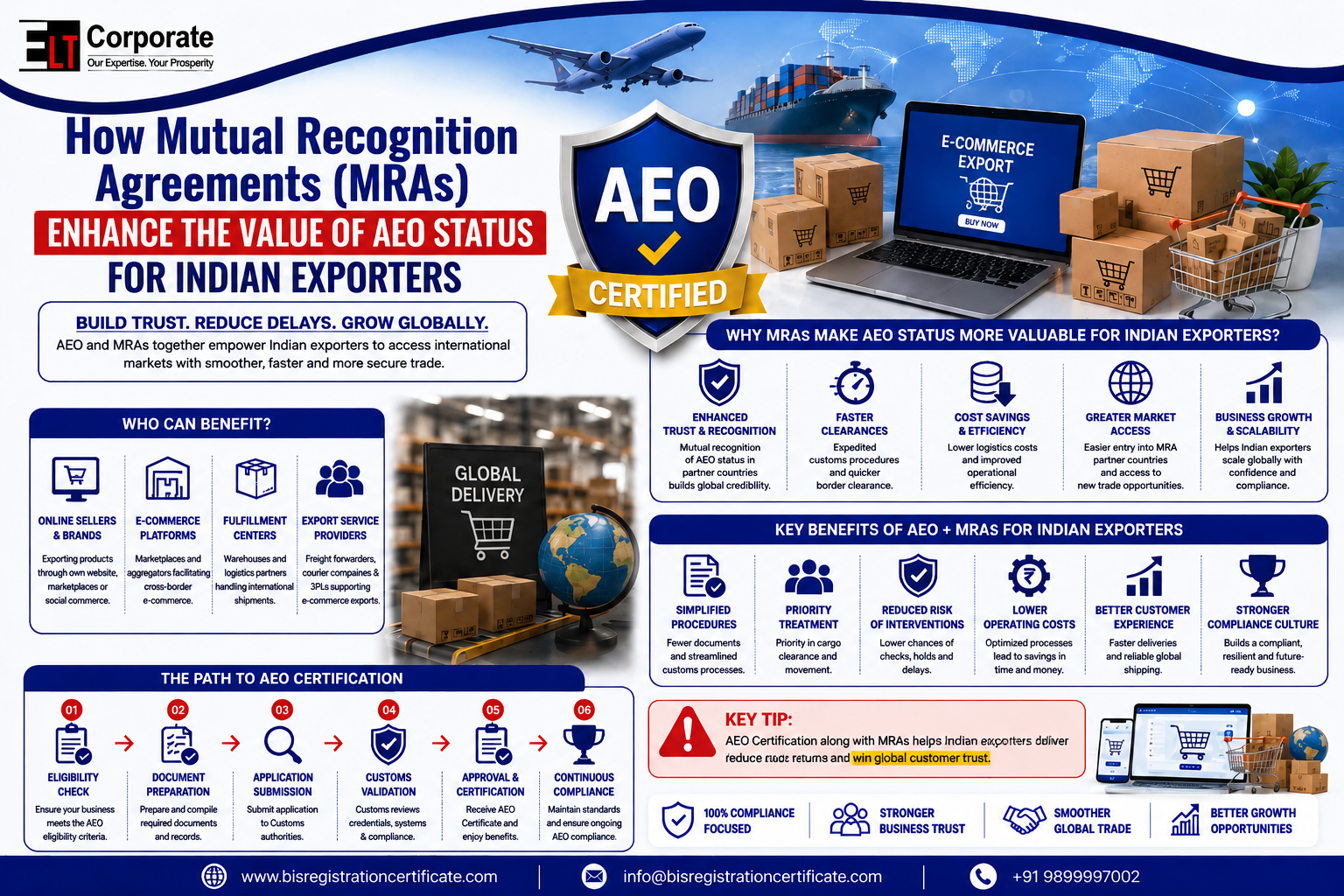
Yes, significantly through Mutual Recognition Agreements (MRAs). India has MRAs with countries like the USA, South Korea, Hong Kong, and more, with China also under consideration. International exporters with AEO status in their home countries can receive reciprocal benefits in India.
These benefits include faster clearance, reduced inspections, and priority treatment for their shipments entering India. This is particularly valuable for businesses regularly exporting to India, as it streamlines cross-border trade and reduces potential delays.
What are the maintenance requirements after getting AEO certification?
AEO requires ongoing compliance and vigilance. Key maintenance requirements include annual self-audits and reporting to ensure continued adherence to AEO standards.
Businesses must also maintain clean compliance records, ensure timely renewal (T1/T2 are valid for 3 years, T3/LO for 5 years), and promptly report any significant changes or compliance issues to customs. Customs may also conduct periodic reviews/validations as per AEO guidelines and risk-based monitoring.