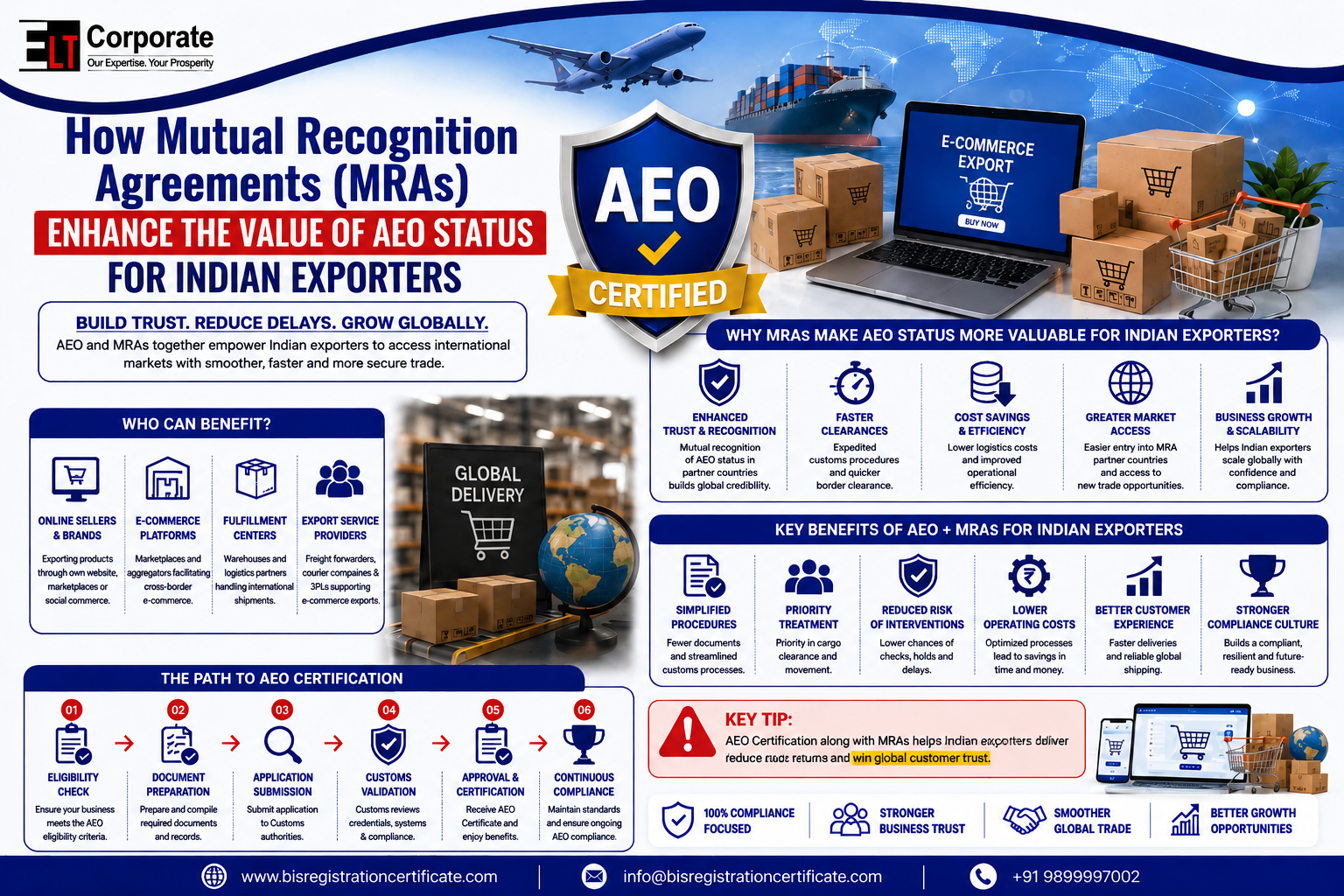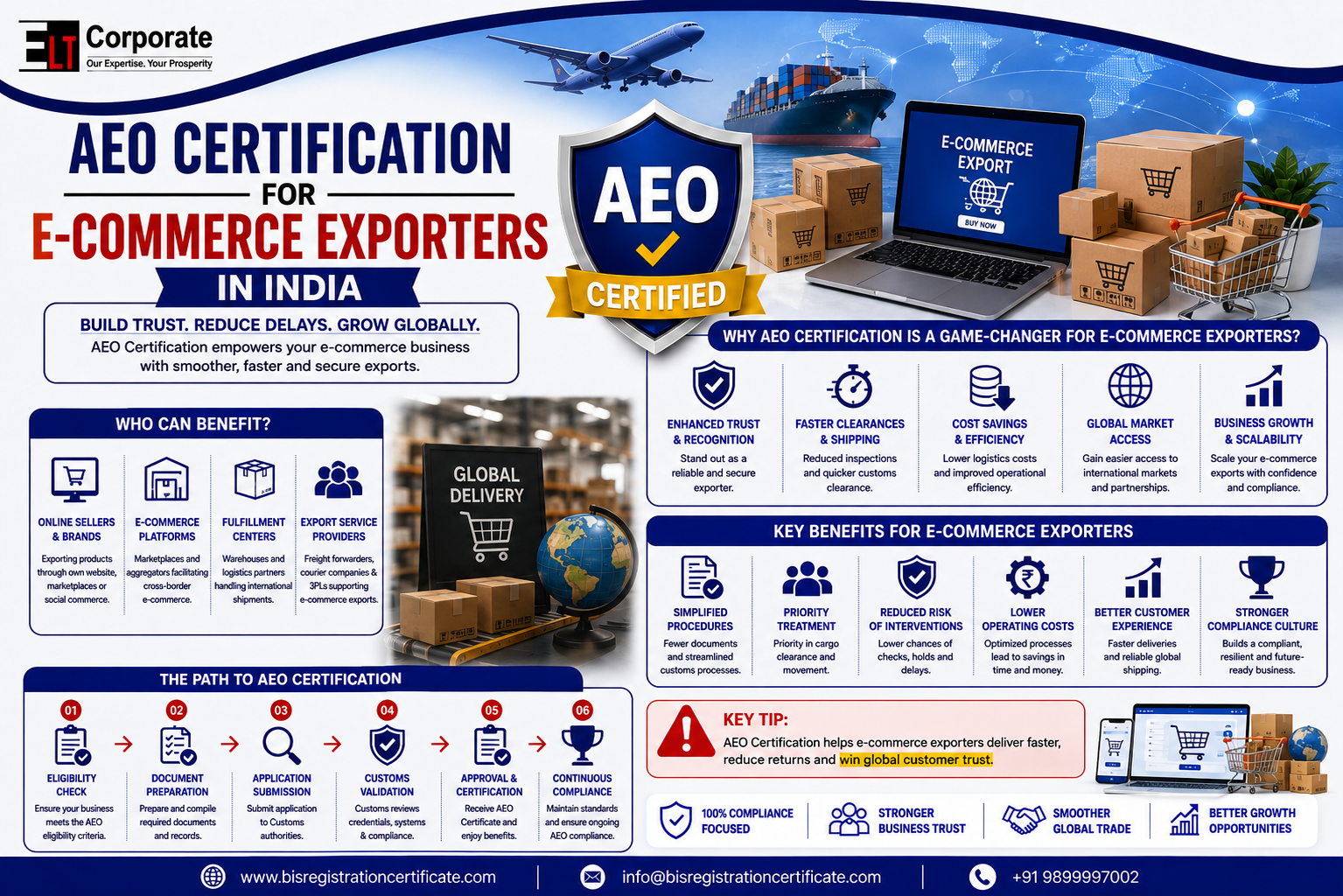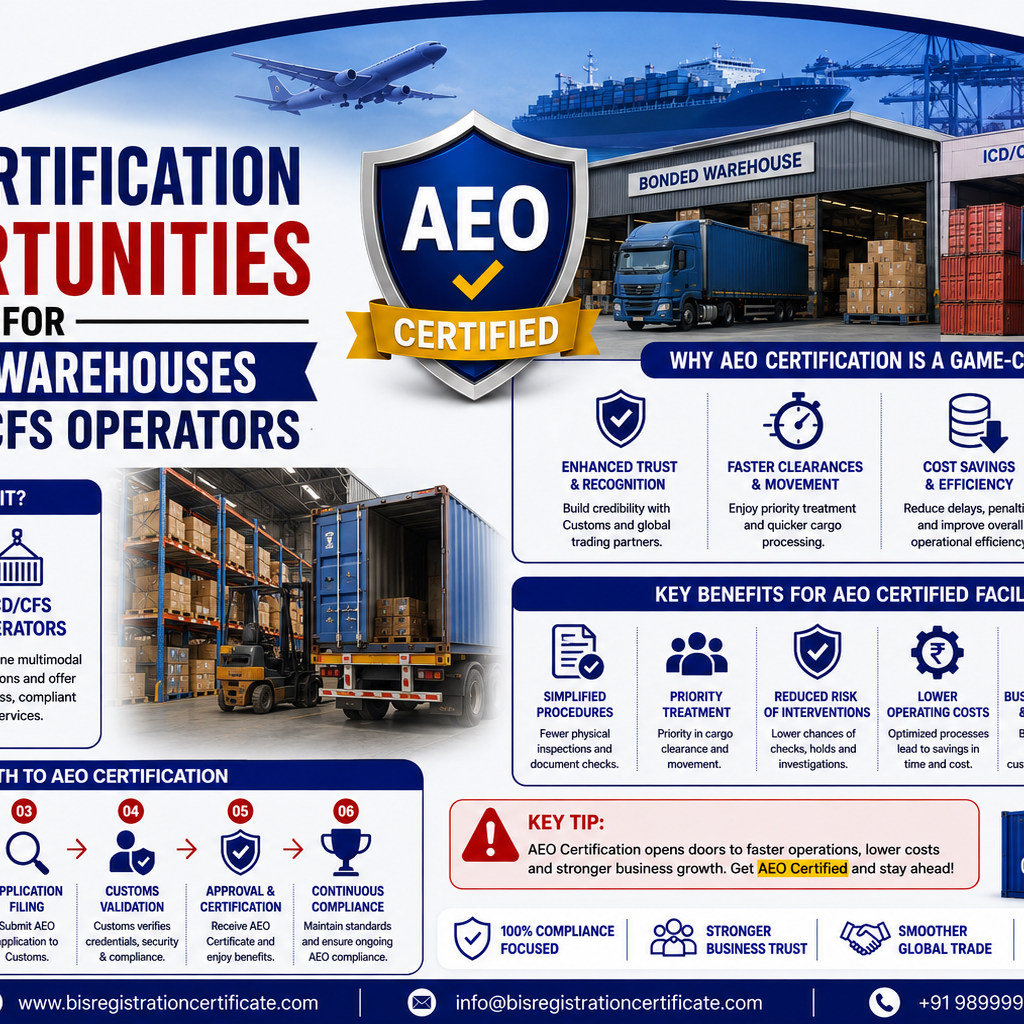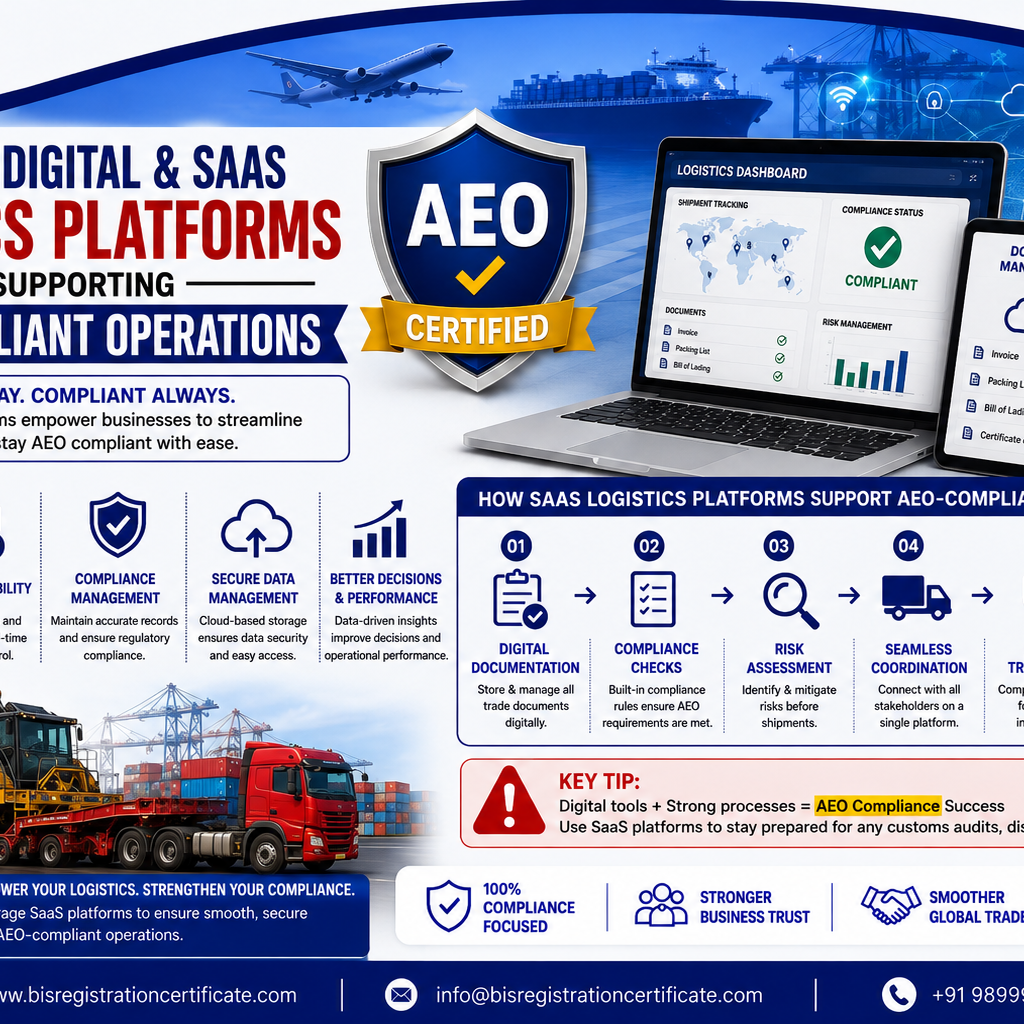
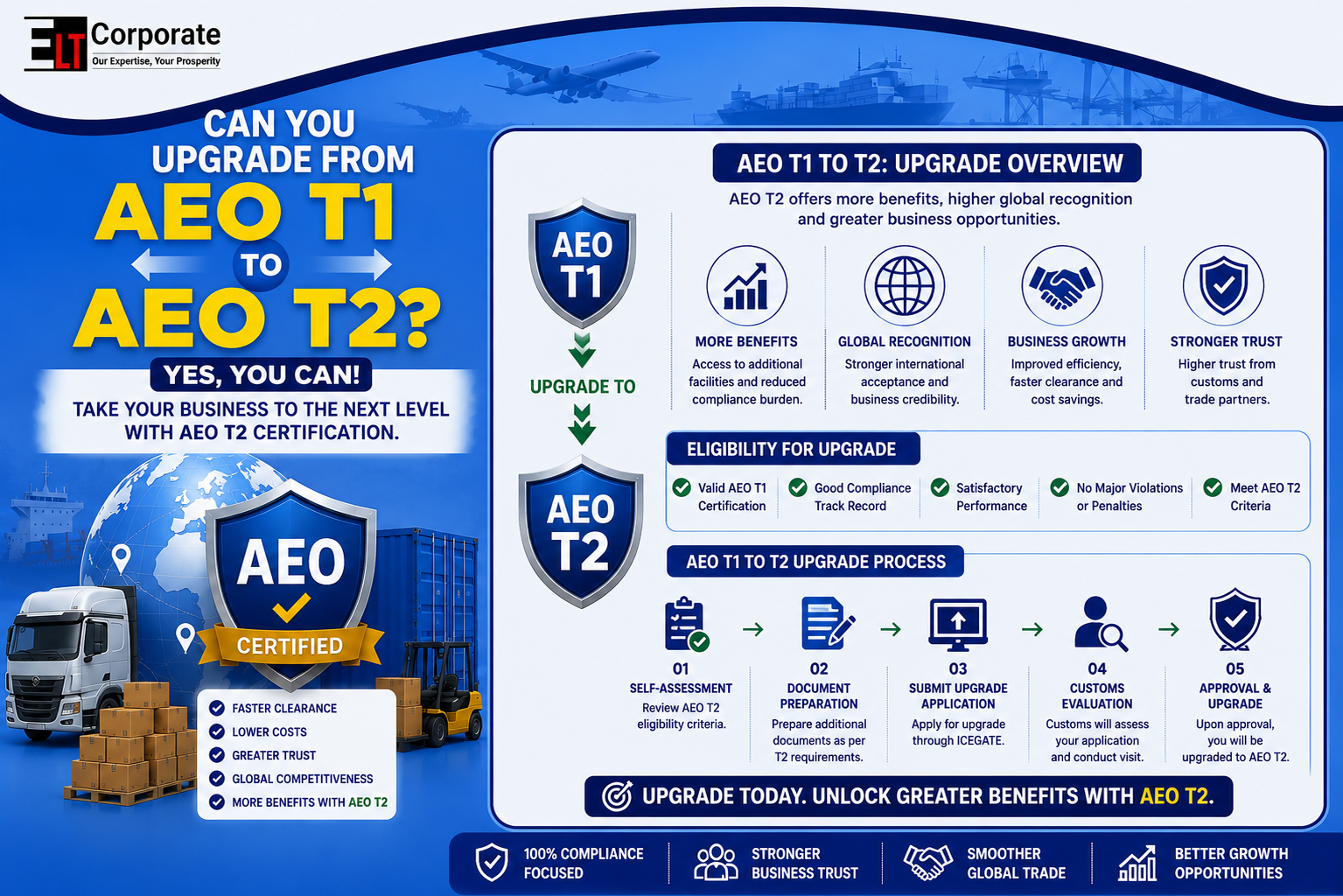
The AEO (Authorized Economic Operator) program is a trusted trader initiative that was implemented by customs authorities to acknowledge companies that have exceptional compliance records, effective supply chain methods, and efficient customs procedures. The program offers benefits to firms involved in international trade, including expedited clearance processes, fewer body checks from customs authorities, and better facilitation by the customs authorities.
Many organizations that acquire their AEO T1 certification initially contemplate upgrading to AEO T2 to reap the additional benefits from it and indicate their compliance maturity level.
If you have obtained an AEO T1 certificate and your company has been developing in terms of volume, compliance maturity, and operational discipline, you may have asked yourself – is it possible to apply for an upgrade from AEO T1 to AEO T2?
To make it long story short, the answer is yes—the CBIC not only allows the upgrade but welcomes it as well for companies that are compliant and have set up robust screening of their security measures and process systems. In this blog, we will cover the upgrade process, the participants in the upgrade, the documentation needed, and the benefits of moving to the AEO T2.
Understanding AEO T1 and AEO T2 Certification
Before discussing the upgrade from AEO T1 to AEO T2 procedure, it is critical for all interested parties to know the specifics of the AEO T1 and AEO T2 levels of certification.
What is AEO T1 Certification?
AEO T1 certification is the first stage of certification under the AEO Program for qualifying importers and exporters. This certification is issued to companies that show:
- Good record of compliance
- Proper maintenance of documentation
- Financial viability
- Compliance with customs
Furthermore, the companies that possess an AEO T1 certification are eligible for many facilitation measures, including faster border clearance and fewer delays.
However, the AEO T1 certification is intended only to ensure compliance without the major verification work due by companies that require AEO certifications of higher classes.
What is AEO T2 Certification?
AEO T2 is more advanced in terms of compliance.
Companies with AEO T2 certification must prove that they have improved and efficient practices in the areas of:
– Supply chain safety
– Internal controls
– Risk management
– Document management
– Staff security
– Facility security
– Work processes
AEO T2 applicants are also assessed by the AEO Programme Team with regard to their systems and how they operate.
AEO T2 also offers more advantages in comparison to AEO T1, including extra customs services.
Why Should Businesses Upgrade from AEO T1 to AEO T2?
The switch from AEO T1 to AEO T2 provides numerous advantages for companies.
1. Increased Customs Clearance
AEO T2-certified entities get more facilitation than holders of AEO T1 certification.
This allows for:
- Faster cargo movement
- Better predictability of customs processes
- Fewer operational delays
- Enhanced supply chain efficiency
2. Improved Corporate Reputation
The AEO T2 status shows that a company uses worldwide-accepted compliance and security procedures in its work.
This enhances the trust of:
- Overseas suppliers
- International customers
- Logistics providers
- Banks
Many multinational companies choose to cooperate with proven supply chain partners following high compliance norms.
3. Enhanced Risk Management Process
AEO T2 requires companies to build stronger risk management systems.
- Thus, firms should handle various risks like
- Unauthorized access
- Cargo security
- Document mistakes
- Disruptions in the supply chain
- Compliance violations
A consistent risk management plan allows organizations to avoid many operational problems and boost their efficiency.
Top Benefits of Upgrading from AEO T1 to AEO T2
Faster Customs Clearance
One of the advantages of AEO T1 to AEO T2 is quicker customs clearance.
AEO-certified companies are treated as low-risk entities since they have proven their compliance with customs rules. Therefore, the shipments of AEO firms receive expedited customs clearance.
How it works:
- Decreases waiting times at ports
- Enhances turnaround time of shipments
- Ensures compliance with delivery deadlines
- Reduces disruptions of supply chains
Example:
A supplier who regularly exports products internationally may run into complications with customs procedures. By having AEO certification, the expedited process of customs procedures can be achieved.
AEO T1 to AEO T2 Upgrade Checklist for Businesses
Explanation:
A checklist-based article attracts high search traffic.
Checklist:
✅ Valid AEO T1 Certificate
✅ Good customs compliance history
✅ Updated SOPs
✅ Security policies
✅ Risk assessment completed
✅ Employee training completed
✅ Proper records maintained
✅ Internal audit completed
Eligibility Requirements for AEO T1 to AEO T2 Upgrade
Companies that are looking at transitioning from AEO T1 to AEO T2 should be aware of the relevant requirements.
Points to note are:
1. Compliance History
The applicant must have:
- Records of compliance with Customs
- All paperwork timeliness
- There shouldn’t be any significant violations or unresolved compliance issues
2. Strong Documentation System
The business must maintain records regarding:
- Import and export operations
- Customs
- Details about suppliers
- Details about clients
- Inventory
3. Security Control
An entity with AEO T2 must use strict security measures in its supply chain.
The company must have:
- Access control system
- CCTV monitoring system
- Visitor management
- Employee verification system
- Cargo protection system
4. Standard Operating Procedures (SOP)
The presence of advanced SOPs is a requirement for AEO T2.
The company must have SOPs regarding:
- Import and export
- Customs operations
- Warehouse activities
- Security management
- Document control
- Risk management
- Employee training
How AEO T2 Certification Improves Supply Chain Security
Not just customs-related benefits.
- Cargo security
- Data safety
- Verification of suppliers
- Transport safety
- Regulation of access
Upgrade Procedure from AEO T1 to AEO T2
The upgrade procedure typically consists of the following stages:
Stage 1: Gap Assessment
Before submission of an application, companies must carry out a gap assessment of their present compliance level against AEO T2 criteria. The analysis has to reveal the following discrepancies:
- Missing documentation
- Ineffective internal controls
- Security loopholes
- SOP requirements
Stage 2: Compliance System Enhancement
Following the identification of the gaps, the company has to take some corrective action, which covers:
- Establishing SOPs
- Update compliance records
- Get the security systems improved
- Provide training for the staff
Stage 3: Submission of AEO T2 Application
The applicant sends the AEO T2 application and relevant supporting documents appropriately.
The submission should include reliable evidence proving compliance readiness.
Step 4: Verification by the AEO Team.
AEO T2 indicates that verification takes place, unlike the basic-level certification.
The AEO Programme Team checks:
- Documentation
- Processes
- Security Control
- Operational Activities
- Business Premises (if applicable)
Step 5: Issuing of AEO T2 Certificate
After satisfying all criteria and passing evaluations, the applicant is able to obtain AEO T2 certification.
How ELT Can Help in AEO T1 to AEO T2 Upgrade
Moving from AEO T1 to AEO T2 necessitates proper planning, documentation, and compliance preparation.
Professional assistance can provide companies with the following support services:
– Assess readiness for AEO T2 certification
– Conduct a gap analysis
– Prepare standard operating procedures
– Manage documentation
– Conduct risk assessment
– Ensure compliance with security requirements
– Assist in preparing applications
– Support with audits
Implementing a systematic approach allows companies to get AEO T2 certification easily and effectively improve supply chain management.
Expected Timeline for the Upgrade
The timelines associated with the upgrade from AEO T1 to AEO T2 are significantly longer since this step involves site validation as well. While T1 applications undergo desk review in approximately two to three months, T2 applications can take between six and nine months due to their necessity to include an on-site audit. Companies are advised to integrate this additional timeline into their preparations, especially when they have certain trading periods or agreements that will require T2 benefits, including postponed duty payments.
Common Pitfalls to Avoid During the Upgrade
- Applying too early. Rushing an upgrade of the AEO T1 to AEO T2 application before your internal systems and compliance record are genuinely ready often leads to rejection or a request for resubmission, which costs more time than waiting for genuine readiness.
- Incomplete or inconsistent documentation. Since T2 scrutiny is far more detailed, even minor inconsistencies between your declared SOPs and actual on-ground practice can raise red flags during the site visit.
- Unresolved litigation. Pending disputes with customs or GST authorities are a frequent cause of delay or refusal at the T2 stage.
- Weak security documentation. T1 does not require the same depth of physical and IT security documentation that T2 does, so many applicants underestimate the effort needed to build this out properly.
- Treating it as a formality. Because T1 was relatively straightforward, some businesses assume the upgrade will be equally smooth. In reality, the AEO T1 to AEO T2 upgrade demands considerably more preparation, and treating it lightly is one of the biggest reasons applications stall midway.
AEO T1 vs AEO T2 – Key Difference
| Parameter | AEO T1 | AEO T2 |
| Compliance Level | Basic | Advanced |
| Security Controls | Limited | Detailed |
| Physical Verification | Generally not required | Required |
| SOP Requirements | Basic | Comprehensive |
| Risk Management | Basic | Advanced |
| Customs Facilitation | High | Higher |
How Long Does AEO T1 to AEO T2 Upgrade Take?
The amount of time involved in Upgrade AEO T1 to AEO T2 varies depending on the factors below:
- Completeness of documentation
- Preparation to comply
- Scheduling of verification
- Time taken to respond to inquiries
The process of AEO consists of examination, verification, reporting, and decision phases that depend on the type and completeness of the application.
Documents Required for AEO T1 to AEO T2 Transition
The main required documents are as follows:
- Business Documents
- Certificate of Incorporation
- PAN Card
- GST Registration
- IEC Certificate
- Organizational structure
Compliance Documents
- Import/export details
- Customs records
- Previous AEO certificate
- Litigation details
Security Documents
- Security policy
- CCTV records
- Access control procedure
- Visitor register
Operational Documents
- SOP manuals
- Training records
- Risk assessment reports
- Internal audit reports
Does AEO T2 Offer More than AEO T1?
Companies that are engaged in international commerce will find that they can benefit more overall from AEO T2.
While AEO T1 can fill the servicing needs of some businesses, especially those with only a need for basic customs clearing services, AEO T2 is the better option for those who warrant a higher level of recognition, confidence in their supply chain, and a more enabling experience overall.
Companies that engage in export, import, manufacture, or any form of international trade will do best to upgrade from AEO T1 to AEO T2, thus making this known in their long-term strategy.
Conclusion
Upgrading from AEO T1 to AEO T2 is a vital step for organizations aiming at enhancing the process of customs clearance, boosting compliance systems, and establishing a reputation in international trade.
While AEO T1 is an introductory step towards gaining trust from customs authorities, AEO T2 is a more sophisticated endorsement that includes security systems, development of standard operating procedures, risk management practices, and ongoing improvement processes.
Thus, companies willing to grow in the international trading environment should think about the transition from AEO T1 to AEO T2 for the purpose of becoming more efficient, improving security in the supply chain, and getting better recognition in international business.
The success of the upgrade requires appropriate planning, provision of necessary documents, and raising awareness among the employees.
Frequently Asked Questions
Q1. In what way can AEO T1 be transformed into AEO T2 Upgrade?
The AEO T1 to AEO T2 upgrade involves moving from the basic AEO level (T1) and achieving a higher compliance level (T2) by applying stricter measures in security and documentation, as well as the risk management system.
Q2. Is it possible for an AEO T1 company to enhance its status to AEO T2?
An AEO T1-certified organization has the opportunity to apply for T2 certification upon satisfying supplementary requirements in compliance and security.
Q3. What benefits does a company get from changing its status from AEO T1 to AEO T2?
The benefits of upgrading AEO status are as follows:
- Better customs facilitation
- Improved security of the operations
- Better credibility for the business
- Faster trade process
- Competitiveness in international markets
Q4. What is the main distinction between AEO T1 and AEO T2?
AEO T1 is associated with basic customs compliance, while AEO T2 is required to have an advanced compliance system, SOPs, security controls, and issues related to risk management.
Q5. What papers are necessary for AEO T2 upgrade?
Documents needed for AEO T2 upgrade are the following:
- Registration documents of the organization
- Customs compliance reports
- SOPs
- Security policy
- Risk